Living in Cahuita, Costa Rica
- commonly linked to the sangrillo tree and a coastal point
Pronounced - kah-WEE-tah
Cahuita — reef beaches, Afro-Caribbean rhythm, and slower days
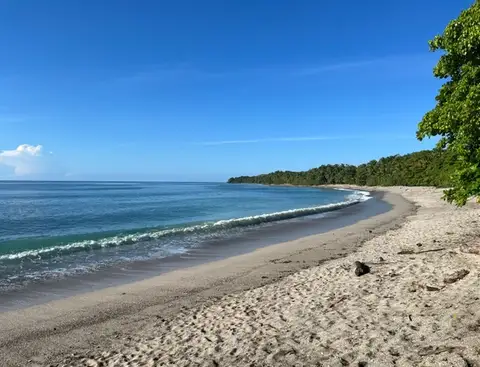
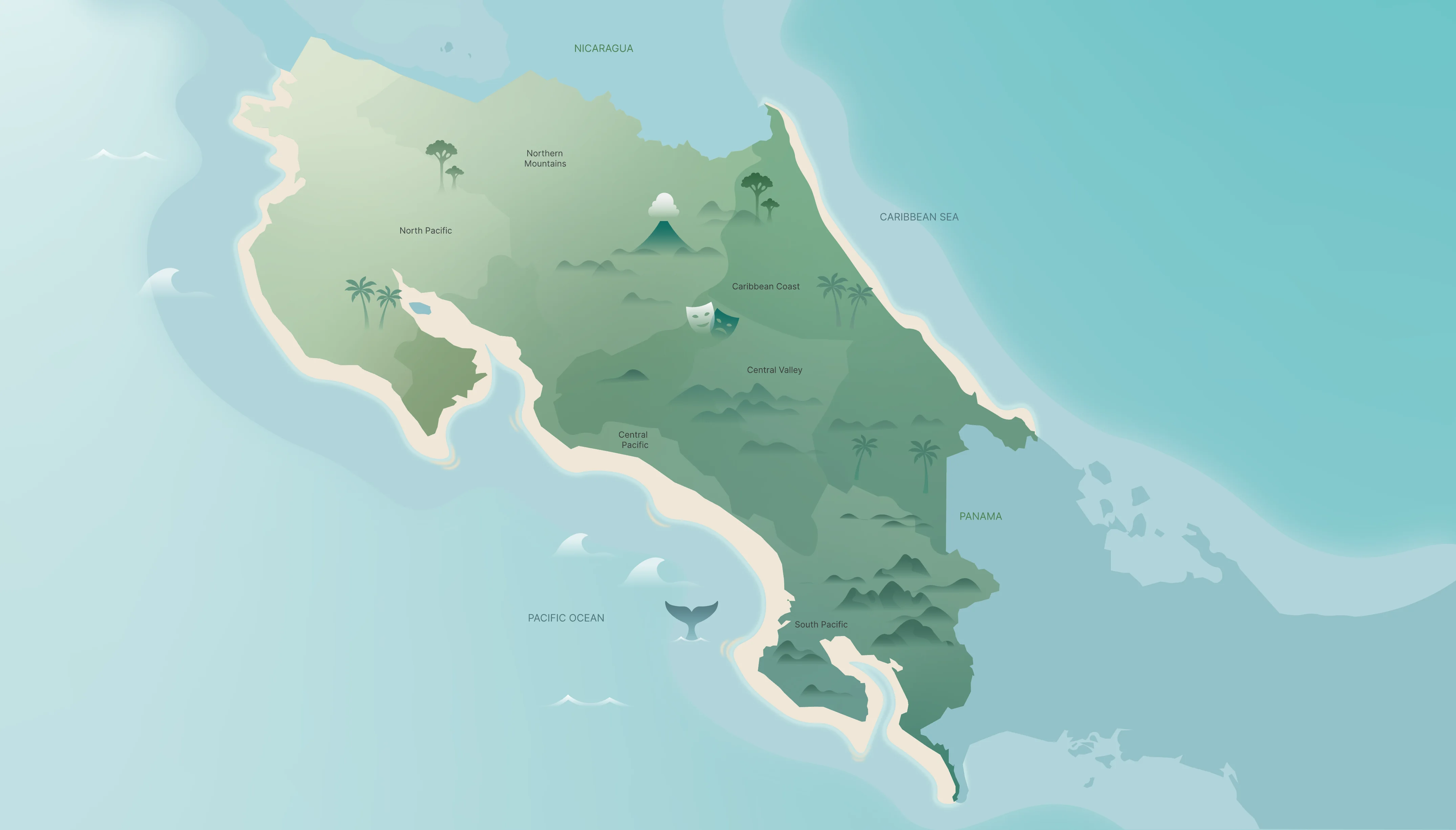
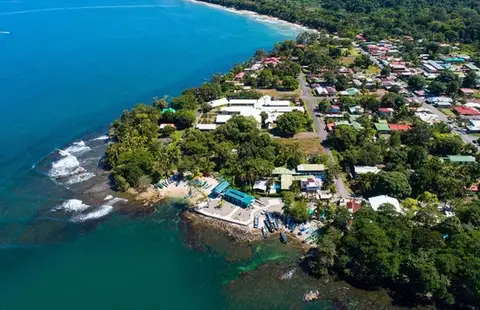
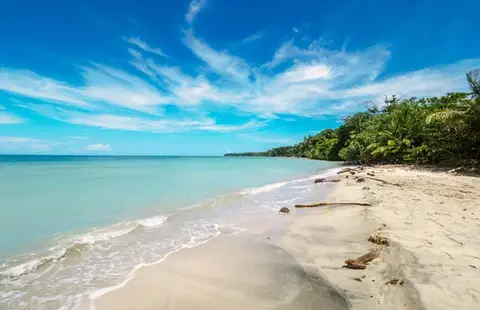
Cahuita sits on Costa Rica’s Caribbean coast and feels noticeably different from the Pacific side. Life here runs quieter and softer, with warm water, reef-protected beaches, and an Afro-Caribbean cultural influence that shapes the town’s food, music, and everyday pace. It’s a place where mornings start slow, conversations run long, and routines tend to stay simple.
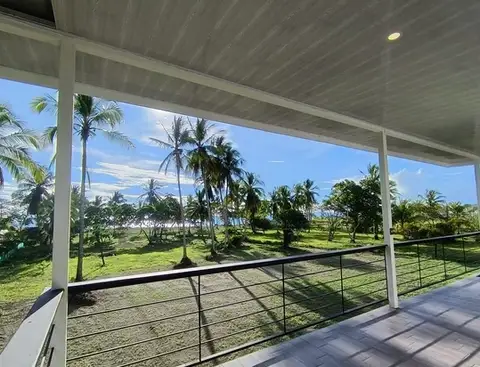
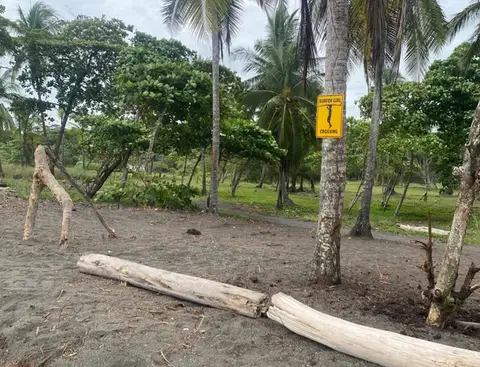
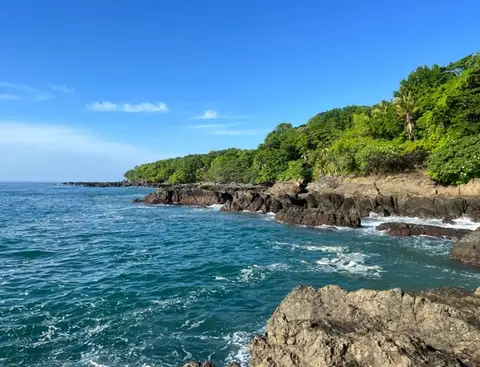
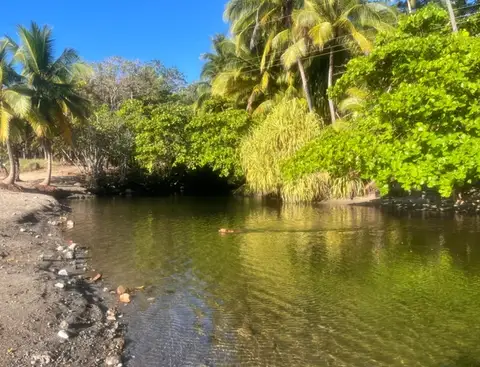
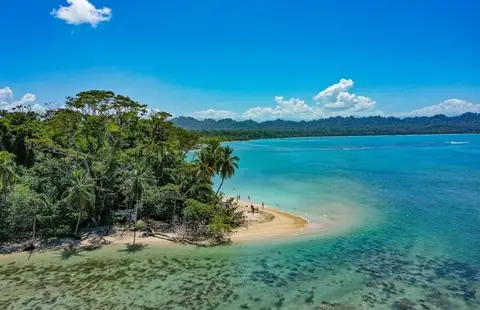
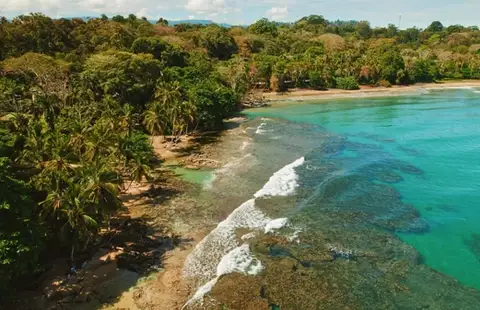
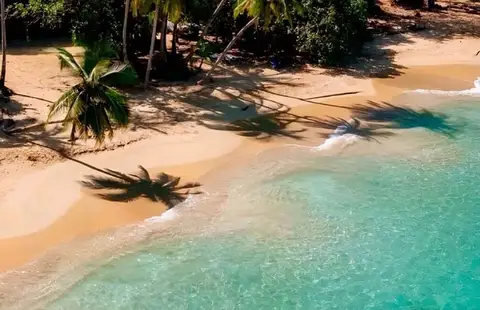
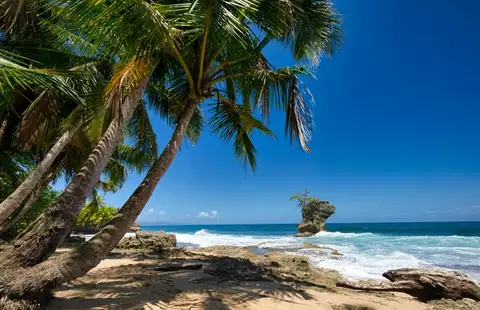
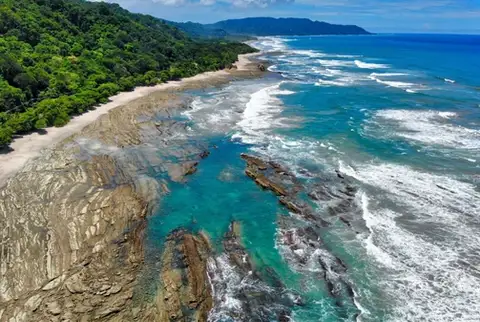
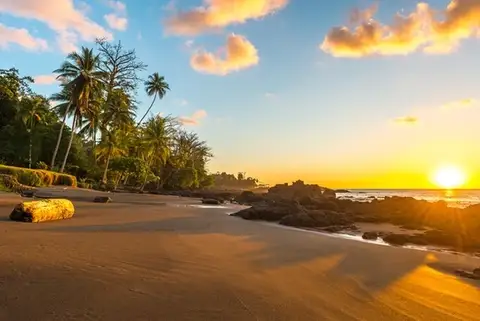
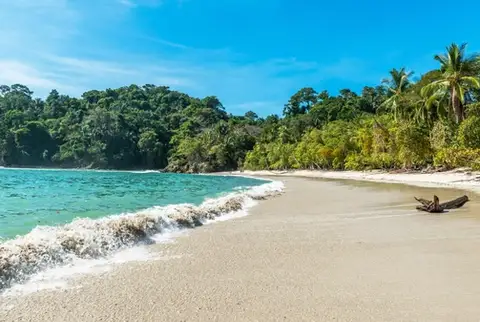
The coastline is the anchor. Cahuita National Park wraps around the town with an easy coastal trail that passes beaches, forest, and frequent wildlife sightings. The reef offshore makes the water calmer than many Pacific beaches, and snorkeling is one of the few activities here that can feel truly “local,” not tour-driven.
Cahuita is small and low-density. Services exist, but they’re modest, and many residents plan occasional trips to larger towns for bigger errands. The trade is worth it for people who want less noise, less development, and a stronger sense of cultural identity than many high-traffic coastal hubs.
Cahuita suits long-stay residents, couples, and families who want Caribbean calm with nature close and community that feels grounded. It’s not built for constant variety or fast convenience. It’s built for people who want their days to breathe.
Estimated Population
Internet Speed
Average Temperature
Major Airports
Town Vibes
Estimated Population
Internet Speed
Average Temperature
Major Airports
Learn more about living in Cahuita
Here's a quick look at what life in Cahuita feels like, from climate and connectivity to community size and access.
Cahuita feels grounded and local, with an Afro-Caribbean influence that shows up in food, music, and the way people relate to each other. It’s quieter than most Pacific towns, with less commercial intensity and more everyday consistency. You’ll notice a slower pace, a more personal community feel, and a lifestyle that centers on the coast and the park rather than constant activity.
Trade-off: if you want a high-energy social scene or lots of organized amenities, Cahuita can feel too calm or limited.
The Caribbean side stays warm year-round, but rainfall patterns differ from the Pacific. There can be plenty of sun, but humidity is consistent and rain is more frequent across the year, with some months unexpectedly beautiful while parts of the Pacific are rainy.
Trade-off: the lushness is real, but so is the humidity and the need to manage dampness in homes.
Cahuita itself is small, and many daily essentials are reachable on foot or bicycle if you live near the center. Outside town, distances stretch quickly and roads become more rural, so a vehicle helps for broader errands or exploring.
Trade-off: you can live simply without a car in the core, but you’ll feel the limits of range for anything beyond the basics.
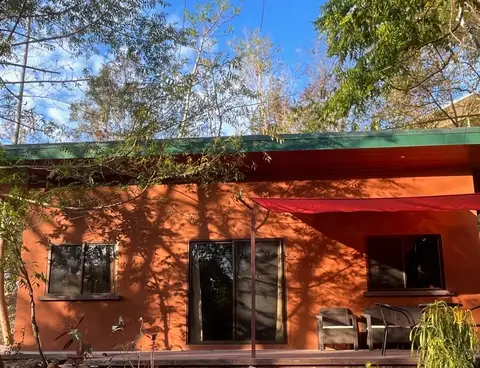
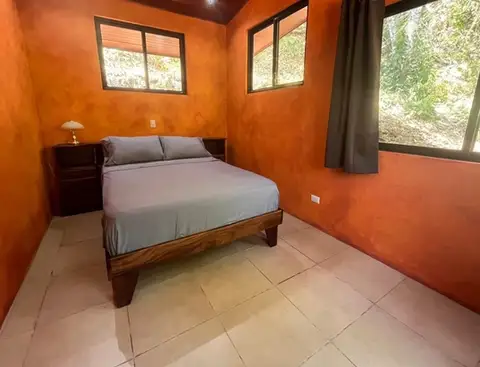
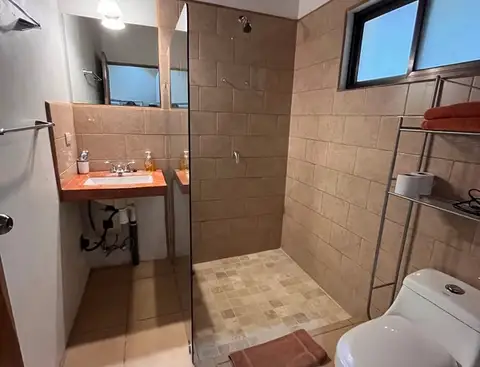
Cahuita often costs less than major Pacific expat hubs. Two-bedroom rentals commonly range around $1,200–1,800 depending on proximity to the beach and build quality, with fewer luxury inventory options than places like Tamarindo or Santa Teresa.
Trade-off: you can find value here, but selection can be thinner and properties may be more rustic.
Internet can be solid in the central area, and some rentals offer reliable connections suitable for remote work. Quality varies more than in the Central Valley or top nomad hubs, so verifying speed and backup options matters.
Trade-off: remote work is possible, but it requires more diligence in choosing location and provider.
Cahuita’s community feels personal and stable, with a mix of locals and long-stay foreigners who tend to stay for the lifestyle, not hype. Limón Airport is relatively close for domestic flights, but international travel usually routes through San José, which is a longer drive.
Trade-off: you gain calm and culture, but you give up quick access and big-city convenience.

Neighborhoods & Areas Of Cahuita
The most walkable part of the area, with small shops, restaurants, and easy access to the park entrance. Best for residents who want daily simplicity and don’t want to drive for basic errands.
Quieter beach stretch with a more residential feel. Less central, more spaced out, and often chosen by residents who want beach proximity without being in the town core.
Closest to the national park coastline and trails. This area feels the most nature-forward, with wildlife sightings and coastal access shaping daily routines.
Not Cahuita proper, but often part of the broader living pattern for long-stay residents. More rural and less developed, with a stronger jungle feel and fewer services.




Find more rentals or discover nearby towns, your next destination is just a click away.