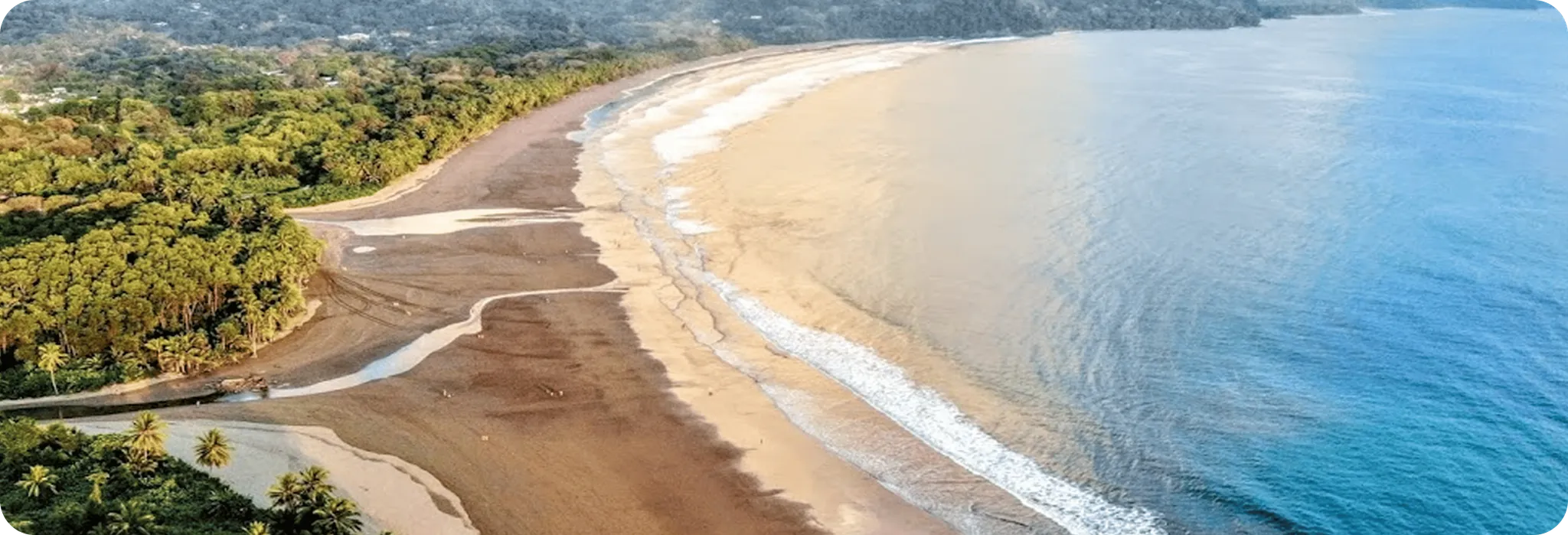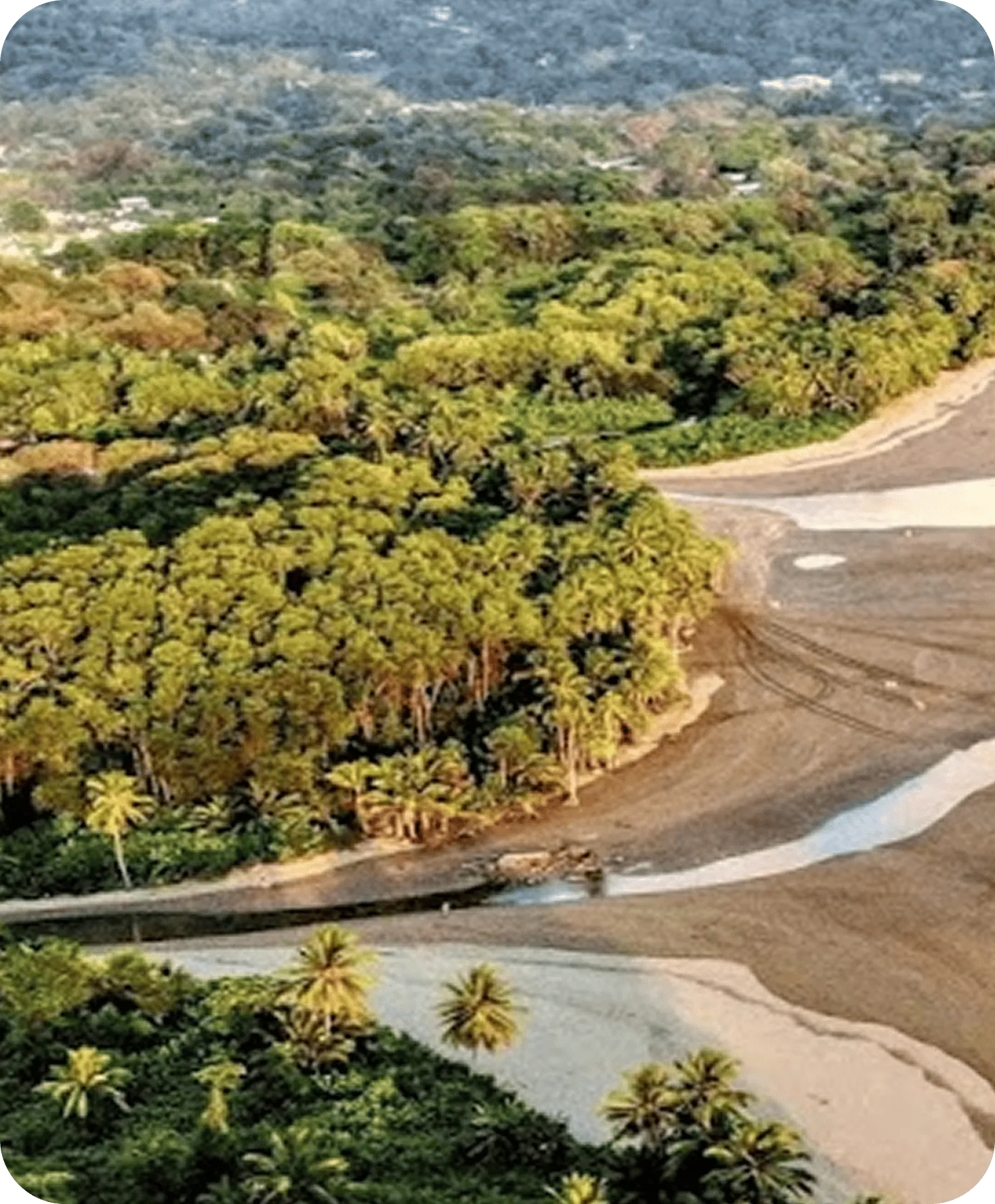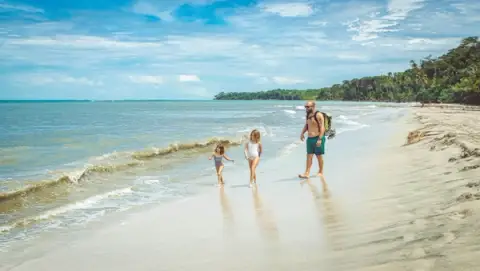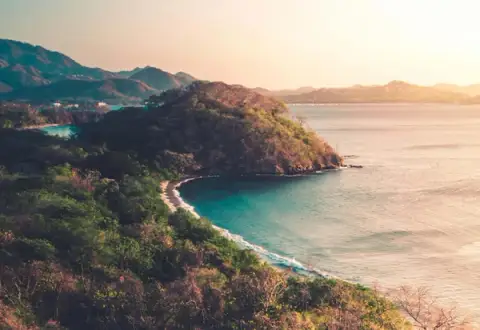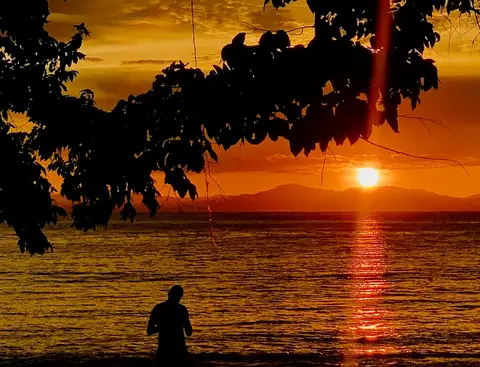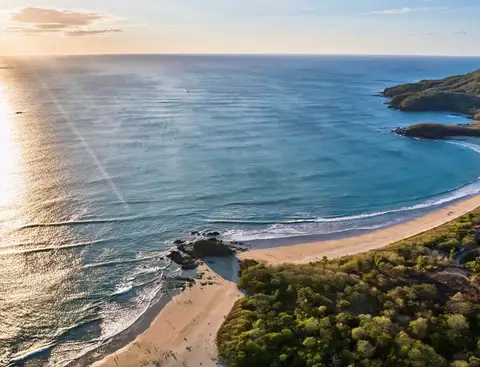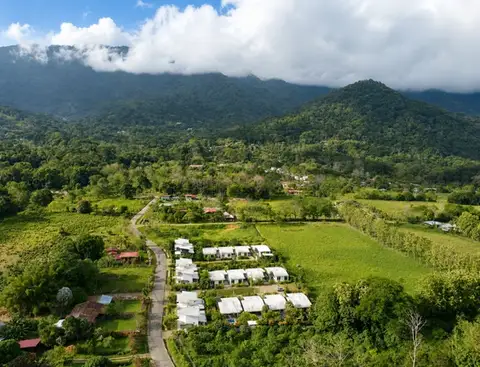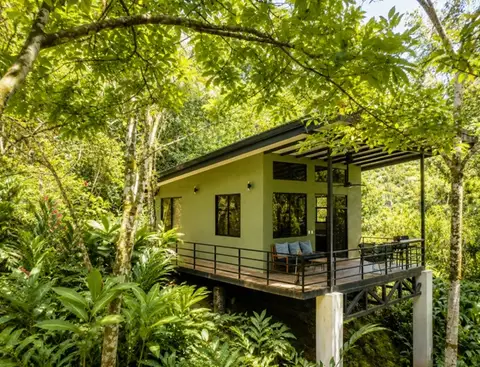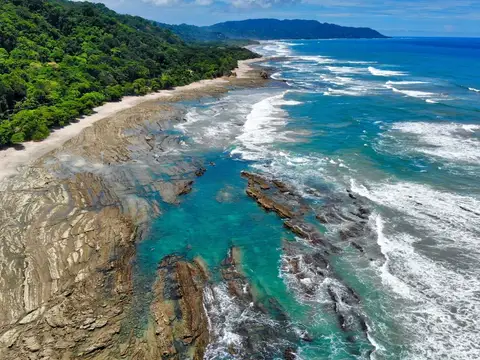
Santa Teresa feels like the kind of place you were meant to stumble upon by accident — the end of a winding dirt road where the jungle spills onto the sand and everyone seems to be barefoot by choice. It sits on the southern tip of the Nicoya Peninsula, but it might as well be its own planet — one powered by surf wax, smoothie bowls, and sunsets that hush entire beaches into silence.
The first thing you notice about Santa Teresa isn’t what’s there — it’s what’s not. No high-rises, no big hotels, no chains. Just the hum of scooters on dusty roads, a string of cafés with WiFi stronger than the pavement, and the sound of waves breaking somewhere close. The town itself is small — home to roughly 3,000 to 4,000 residents, but that number easily doubles during high season when surfers, travelers, and digital nomads arrive from around the world.
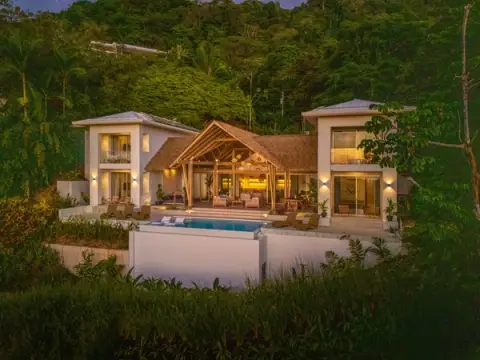
Santa Teresa has long been a magnet for creatives and wanderers — surfers chasing perfect breaks, chefs turning tropical produce into art, and remote professionals running startups from jungle villas. It’s the bohemian cousin of Nosara: less polished, more raw, but equally magnetic. The vibe is barefoot luxury — open-air yoga studios, boutique hotels shaded by palms, and restaurants where dinner might turn into a late-night jam session.
The crowd here skews young — 20s to 40s mostly — with a mix of surf instructors, entrepreneurs, designers, and yogis who all seem to share one thing: a desire for freedom. During high season (December through April), Santa Teresa hums with energy. Scooters zip through town, beach bars fill with sunset crowds, and every night feels like a casual celebration of life under palm trees. By May, when the rains come, things quiet down again — the younger crowd drifts elsewhere, and what’s left is the peaceful heartbeat of locals and long-term residents who savor the calm.
For expats and remote workers, Santa Teresa’s charm lies in its balance of wildness and comfort. You can run a meeting on fiber-optic internet in the morning, surf Playa Hermosa by noon, and finish the day with a barefoot dinner under hanging lights. Co-working hubs like Outpost and Honu make it easy to stay connected, while improved roads and better power reliability have made year-round living far more comfortable than it used to be.
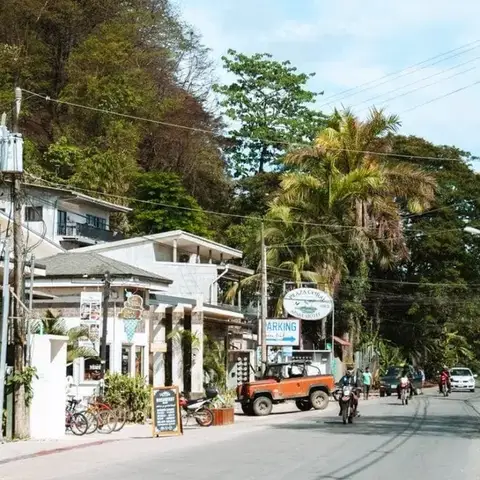

The cost of living here has climbed alongside its popularity. Expect to pay around $1,800–$2,500/month for a one-bedroom near the beach, and dining out comes with boutique pricing. But what you get in return is priceless: creative energy, global friendships, and a community that makes life feel like a never-ending artist residency.
Santa Teresa isn’t for everyone. It’s remote, sometimes chaotic, and always humid. But if you’re drawn to places where you can work in the morning, surf in the afternoon, and dance barefoot by night — this little town at the end of the road might just be your kind of paradise.
Discover Homes and Communities in Santa Teresa