Living in Puerto Viejo, Costa Rica
- “Old Port”
Pronounced - PWER-toh VYAY-ho
Puerto Viejo — Caribbean energy, surf breaks, and cultural depth
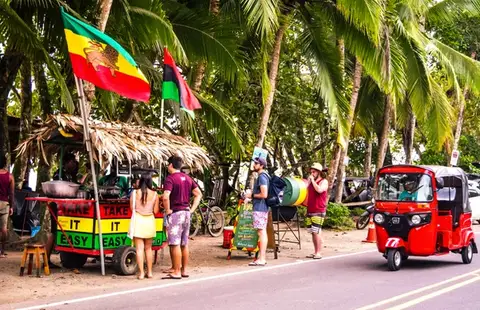
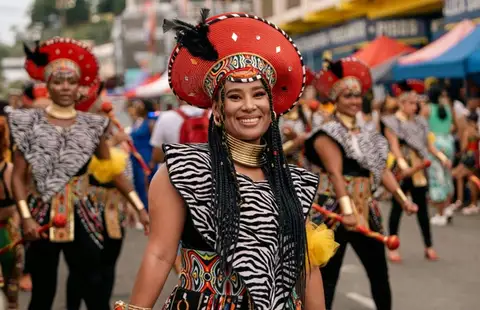
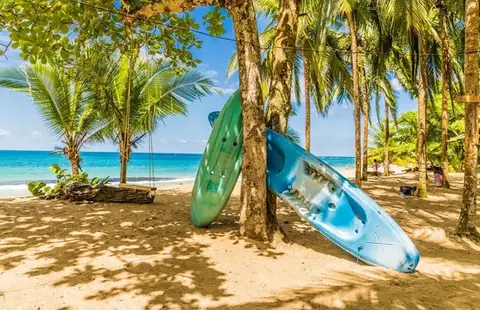
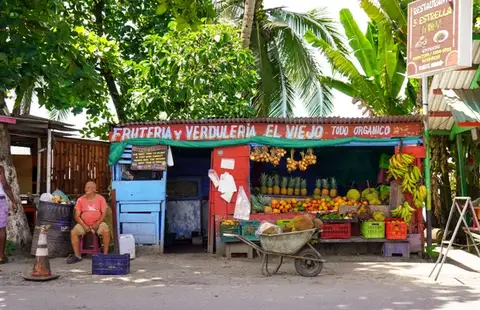
Puerto Viejo is the Caribbean coast’s most energetic long-stay town. It blends Afro-Caribbean culture, surf beaches, and a social scene that feels more expressive and spontaneous than most of the Pacific. Life here is colorful and outward-facing, shaped by music, food, and a daily rhythm that runs later into the evening.
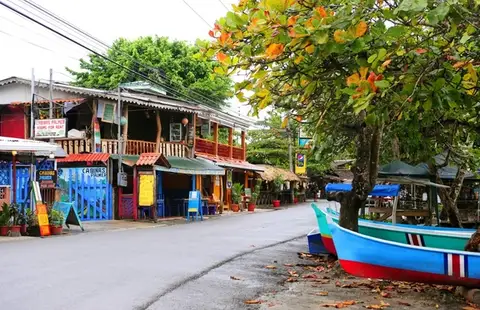
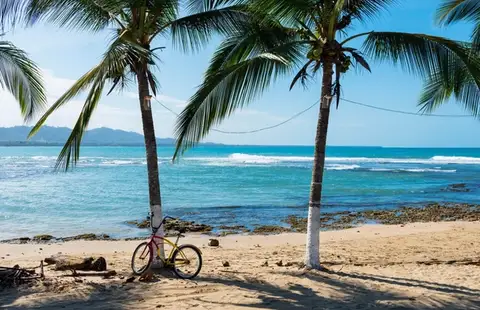
The town is compact, with much of life happening along the main road and the beaches just beyond it. People move by bike more than by car, and it’s common to build routines around short rides — to a café, to a surf break, to a quiet beach cove, then back into town. Compared to Cahuita, Puerto Viejo feels louder, more crowded, and more varied, with more restaurants, nightlife, and short-term visitors.
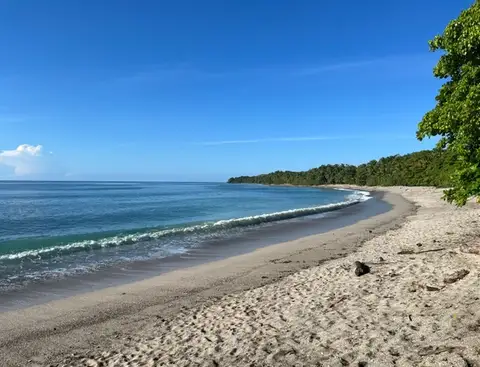
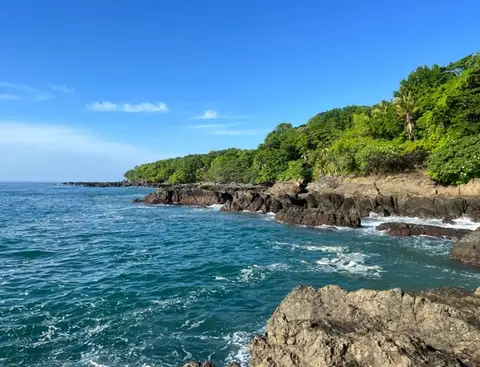
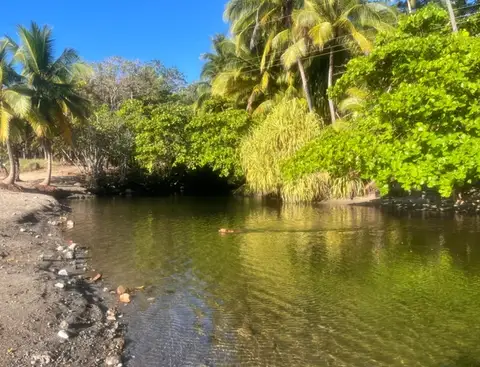
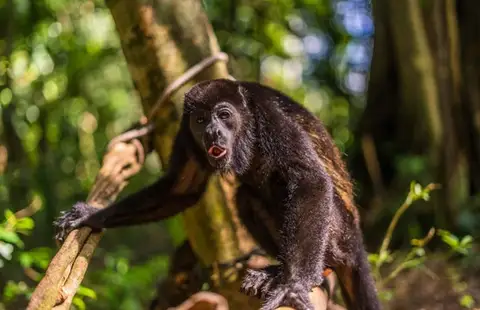
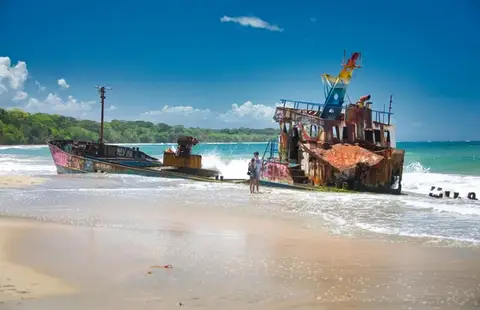
Nature is still close. You’re surrounded by jungle, wildlife, and protected coastline, and it’s normal to see monkeys, sloths, and tropical birds as part of everyday life. But the town’s popularity also brings density, noise, and higher seasonal pressure on housing and services.
Puerto Viejo suits long-stay residents who want Caribbean culture with more activity and variety than a quieter base town. It’s less about silence and routine, and more about being in a place that feels alive.
Estimated Population
Internet Speed
Average Temperature
Major Airports
Town Vibes
Estimated Population
Internet Speed
Average Temperature
Major Airports
Learn more about living in Puerto Viejo
Here's a quick look at what life in Puerto Viejo feels like, from climate and connectivity to community size and access.
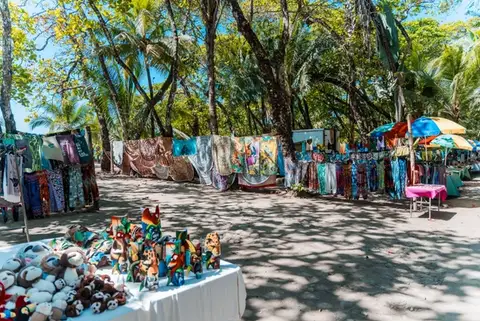
Puerto Viejo feels alive in a way most Costa Rican towns do not. Afro-Caribbean culture shows up in daily life through music, food, language, and the overall pace of the town. People are out later, routines are more social, and the town draws a steady mix of long-stay residents and short-term travelers.
Trade-off: the energy is part of the appeal, but it also brings more noise, more seasonal crowding, and less of the quiet, settled feel found in smaller towns.
Temperatures stay warm year-round, and humidity is consistent. Rainfall patterns differ from the Pacific, with stretches of sun even during months when the Pacific is rainy, but also frequent showers throughout the year.
Trade-off: the lushness is constant, but dampness management is real in homes and rentals, especially for long stays.
Puerto Viejo is compact enough to manage on foot in the core, but most residents rely on bikes for daily movement. Short rides connect you to beaches, grocery stops, cafés, and neighboring beach areas.
Trade-off: roads can be narrow and traffic increases in high season, so biking requires awareness and comfort with mixed conditions.
Pricing is often lower than top Pacific hubs but rising with demand. Two-bedroom rentals commonly fall around $1,300–2,200 depending on proximity to the beach, build quality, and season. Inventory can be limited, so good rentals move quickly.
Trade-off: value can be strong here, but choice is thinner, and housing quality varies more than in highly developed markets.
Many rentals offer workable internet, and connectivity continues to improve, but it remains more variable than the Central Valley or major nomad hubs. Remote work is common, but choosing the right property matters, especially if you have video-call requirements.
Trade-off: you can absolutely work remotely here, but you should confirm speed, provider, and backup options before committing.
Community is one of Puerto Viejo’s strongest features — it’s easy to meet people through cafés, surf routines, and the town’s social flow. Limón Airport is the closest domestic option, but most international travel routes through San José, which is a longer drive.
Trade-off: you gain cultural depth and community, but you give up quick airport access and big-city convenience.

Neighborhoods & Areas Of Puerto Viejo
The most walkable and social part of town, with the highest concentration of cafés, restaurants, small shops, and nightlife. Best for residents who want activity close and don’t want to rely on a car daily.
A popular beach zone just south of town with stronger surf and more open space. It feels more residential than the center but still close enough for quick bike rides.
Known for darker sand and surf breaks, with a calmer, more spaced-out feel. It attracts residents who want beach proximity without being in the busiest corridor.
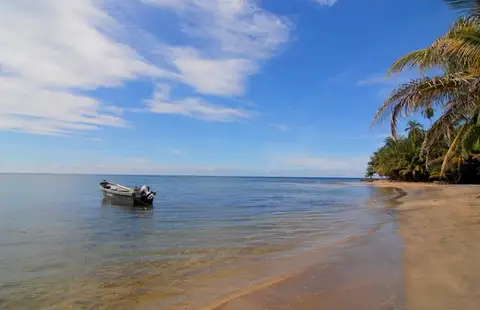
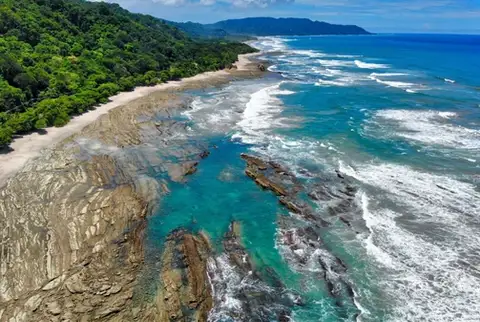
Further south, quieter and more scenic with calm water coves and a more nature-forward atmosphere. Often chosen by long-stay residents who want beauty and privacy over convenience.
More rural and less developed, with stronger jungle presence and fewer services. Better suited for residents who prioritize nature and calm and don’t mind planning errands.




Find more rentals or discover nearby towns, your next destination is just a click away.