The Reality Behind Buying Real Estate in Costa Rica (2025 Guide)
Everyone falls in love with the dream first — the mango trees, ocean breezes, and a house where mornings sound like birds instead of alarms.
And in Costa Rica, that dream is real.
You can own property here as a foreigner, wake up by the sea, and still make it to yoga before breakfast.
But there’s a difference between paradise and paperwork, and it’s that gap where most new buyers get surprised.
So before you sign anything or wire any deposits, here’s what buying real estate in Costa Rica actually looks like — the good, the beautiful, and the fine print you’ll be glad you read.
The Appeal — Why People Buy Here
People come to Costa Rica for the same reasons they stay: safety, stability, and a quality of life that slows your breathing.
The country has no army, strong property rights, and one of the most stable democracies in Latin America.
Foreigners can own property outright — land, condos, homes, and businesses — without needing a local partner.
Add year-round warm weather, strong expat communities, and rental potential in tourist zones, and it’s easy to see why Costa Rica ranks among the top relocation destinations in the world.
But here’s the thing: the same relaxed vibe that makes life here appealing also affects how business gets done.
Patience is your most valuable currency.
The Legal Basics — Yes, You Can Own Property
In Costa Rica, property law is clear: foreigners have the same ownership rights as locals.
Your name goes on the title deed, and ownership is protected by the national property registry (Registro Nacional).
That said, titles here aren’t always perfect.
Some older properties have incomplete paperwork, unclear boundaries, or disputes over access roads.
That’s why your first step isn’t a viewing — it’s finding a good real estate attorney who verifies the title, survey map (plano catastrado), and ownership history before you fall in love.
Sophia’s tip: Don’t rely solely on your realtor to check title. A trustworthy lawyer is non-negotiable here — and worth every colón.
What Kind of Properties People Buy
Costa Rica offers a wide range, and each comes with its own quirks:
• Condos: Often in gated communities or near the beach. Easier maintenance, but monthly HOA fees can surprise newcomers.
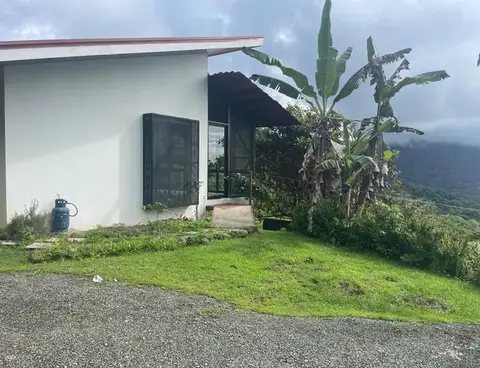
• Private Homes: Freedom and privacy, but you’ll manage your own utilities, security, and upkeep.
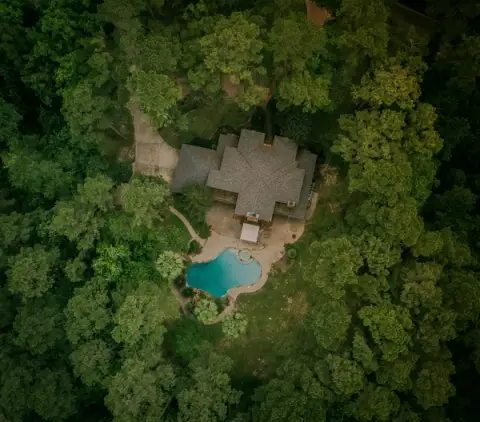
• Fincas (land or farms): Ideal for those who want space or eco projects, but boundaries and access roads must be confirmed carefully.
• Pre-construction or development projects: Common in coastal areas — high potential but higher risk. Ensure your contract is detailed and legally vetted.
Hidden Costs & Common Surprises
Buying in Costa Rica is straightforward, but budget beyond the listing price.
Expense Typical Range Notes
Closing costs & taxes 2.5–4% of purchase price Usually shared by buyer & seller
Legal fees 1–2% Include title search and deed registration
Transfer tax 1.5% Paid at closing
Notary fees 0.5–1% Lawyer typically acts as notary
Property tax 0.25% annually Very low compared to North America
Luxury home tax Applies over certain value threshold Updated annually
Other “soft” costs: higher electricity in coastal areas, maintenance during rainy season, and insurance (optional but smart).
Sophia’s note: Always ask if a property is in a corporation (sociedad anónima). That can change how taxes and title transfers work — and what fees you’ll inherit.
The Red Flags
Every market has its myths. Here are the big ones in Costa Rica:
1. “I don’t need a lawyer — my realtor handles everything.”
→ Wrong. Realtors aren’t regulated here the same way as in the U.S. or Canada. Always hire your own attorney.
2. “Beachfront means you own to the water.”
→ Not exactly. The first 200 meters from the high-tide line are public and protected under maritime law. Only concession leases apply there, not full ownership.
3. “I’ll just buy in cash and skip due diligence.”
→ Risky. Title verification, survey confirmation, and municipal checks prevent long-term headaches.
4. “Everything’s cheaper here.”
→ Property taxes and healthcare, yes. Construction and imported goods, not always.
Where People Are Buying
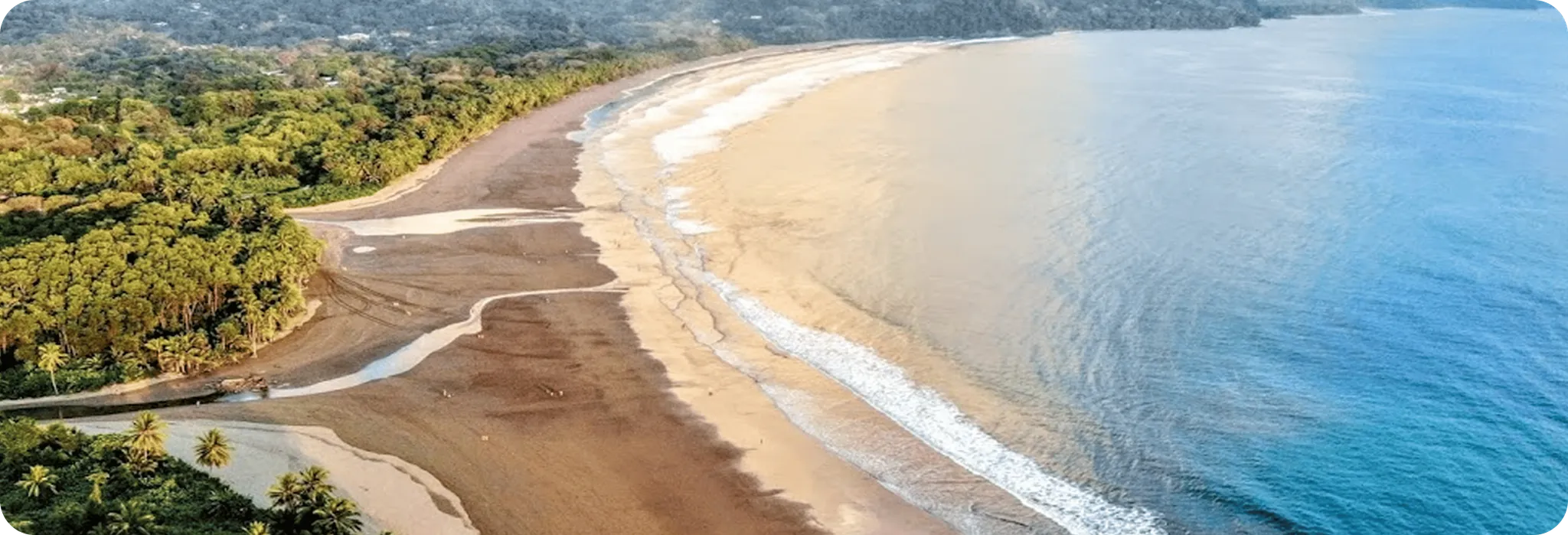
• Southern Zone (Uvita, Ojochal, Dominical): Quiet luxury, strong expat community, jungle-meets-ocean views.
• Guanacaste (Tamarindo, Nosara): Surf, tourism, and investment potential.
• Central Valley (Atenas, Grecia, Escazú): Mild climate, strong infrastructure, close to the capital.
Each region has its rhythm — the Coast feels alive and free; the Valley feels secure and established.
It’s not about where’s best — it’s about what fits.
How to Buy Smart
1. Work with vetted professionals.
Use licensed realtors (check CCCBR membership) and independent attorneys.
2. Request a full title search.
Make sure boundaries, easements, and ownership line up at the Registro Nacional.
3. Use escrow.
Never wire funds directly to a seller — use a registered escrow company.
4. Put everything in writing.
Contracts here are enforceable only when notarized in Spanish. Get certified translations if needed.
5. Plan for patience.
What takes a week elsewhere may take a month here — it’s normal, not broken.
Sophia’s Take
Buying real estate in Costa Rica isn’t complicated — it’s just different.
Things move slower, relationships matter more, and the system rewards people who do their homework.
But once you get through the paperwork, what you’re really buying is time: slow mornings, open windows, and a life where “return on investment” means something far bigger than numbers.