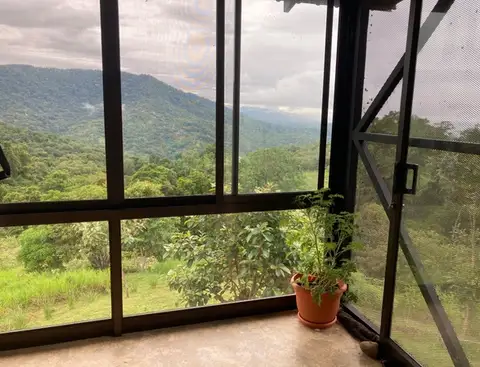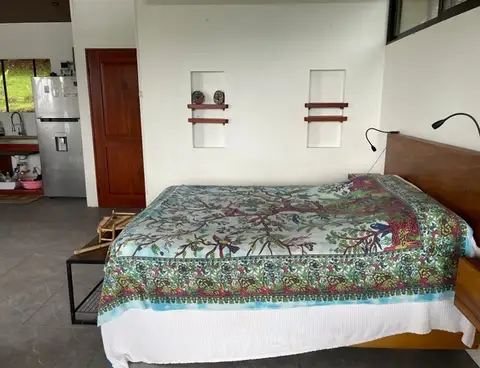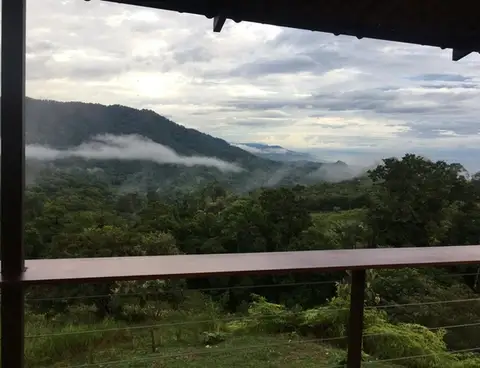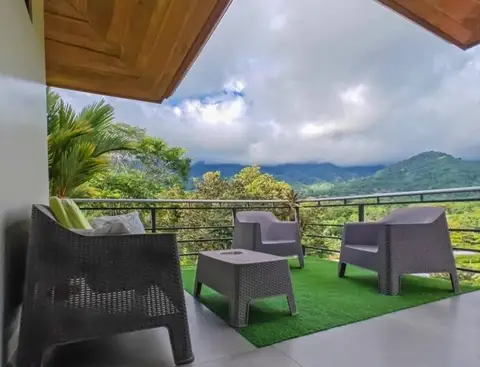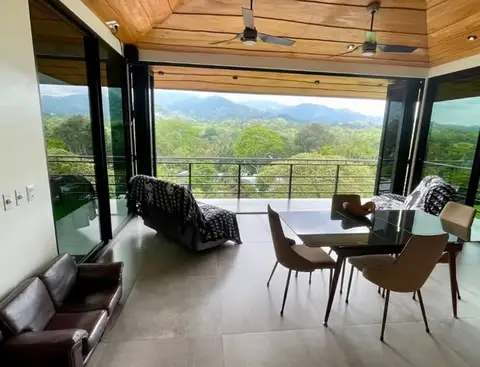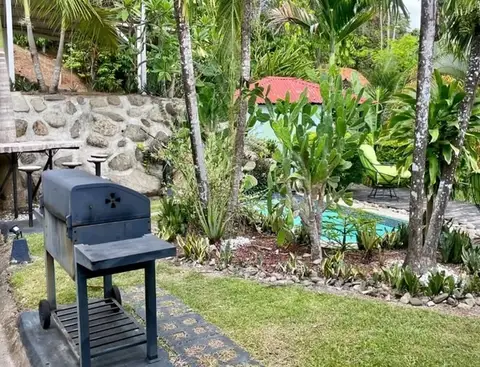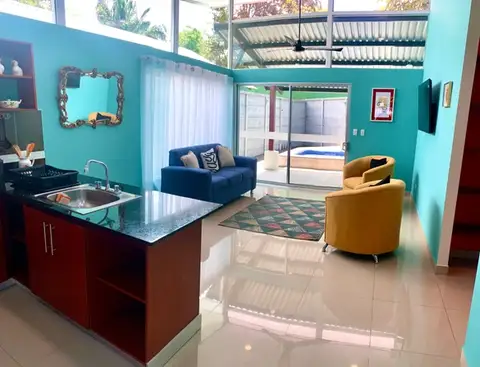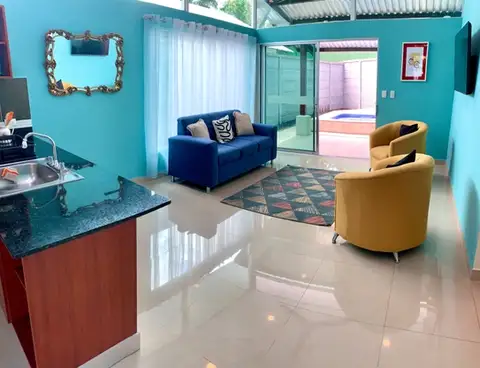
Consistently ranked among the world’s top destinations for expats and retirees, Costa Rica blends natural beauty, stability, and simplicity in a way few places do. If you’ve been dreaming of trading your morning commute for the sound of waves and swapping office coffee for fresh coconut water, you’re not alone. The idea feels bold — maybe even a little impossible — but thousands have already made the leap.
The good news? Moving to Costa Rica isn’t about luck. It’s about preparation, paperwork, and a touch of pura vida patience.
In This Guide:
Visas & Residency • Cost of Living • Healthcare • Finding a Home • Family Life • Transportation • Culture & Language • Checklist
1. Visas and Residency: Your Legal Foundation
Costa Rica makes it refreshingly straightforward to stay long-term — as long as you understand the process. Most visitors from visa-exempt countries now receive up to 180 days on a tourist visa (increased from the former 90 days), though the final length is still at the discretion of the immigration officer at entry.
If you plan to settle, here are the main residency options:
- Pensionado Residency: For retirees with a stable pension of at least $1,000/month.
- Rentista Residency: For entrepreneurs or remote workers showing $2,500/month in income for two years, or a $60,000 deposit in a Costa Rican bank.
- Investor Residency: For those investing $150,000+ in local real estate, tourism, or business ventures.
Each path allows you to live here full-time, open local accounts, enroll in the national healthcare system, and build a life legally and securely.
For full official details, visit Costa Rica’s Dirección General de Migración y Extranjería.
2. Cost of Living: Freedom with a Budget
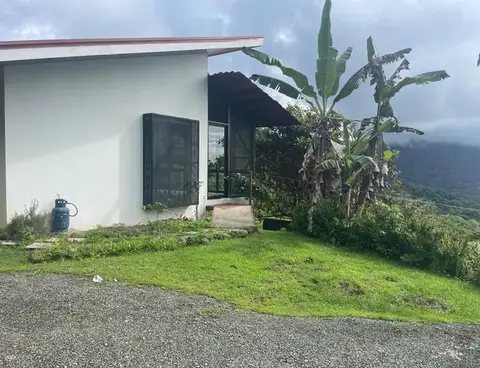
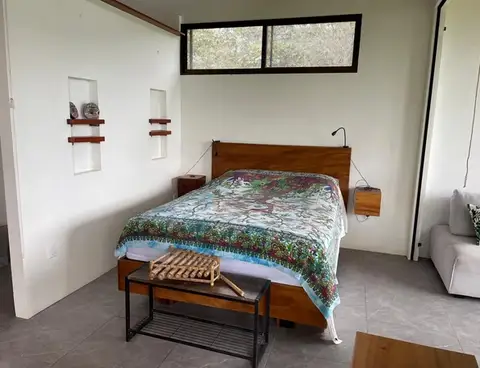
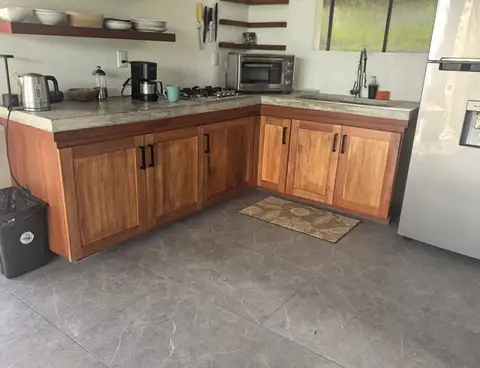
Your lifestyle determines the numbers, but most singles or couples live comfortably on $2,000–$3,500 per month. Rent a mountain-view casita for $700, or a beachside apartment for around $1,500. Groceries, transportation, and healthcare stay reasonable — it’s the electricity that catches many newcomers off guard, averaging $100–$150/month, especially if you run air conditioning.
Internet, phone, and water combined usually add another $50–$70. You’re paying for stability, safety, and a country that runs on renewable energy.

3. Healthcare: Affordable and Reliable
Costa Rica’s healthcare system ranks among the best in Latin America. Residents contribute roughly 7–11% of reported income to the public system — Caja Costarricense de Seguro Social, known simply as “Caja.” It covers hospitals, clinics, and prescriptions nationwide.
Private care is also widely available, with bilingual doctors and modern clinics where appointments run $30–$60. Many expats blend both systems for flexibility and peace of mind.
4. Finding Your New Home
Costa Rica offers a place for every rhythm of life:
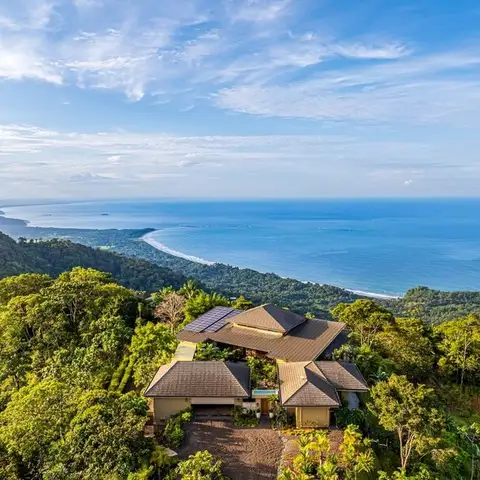
- Uvita & Ojochal: Family-oriented, peaceful, surrounded by jungle and beach.
- Dominical: Creative surf town energy with rugged charm.
- Nosara: Polished wellness hub known for yoga and balance.
- Tamarindo: Social, walkable, ideal for digital nomads.
- Atenas or Grecia (Central Valley): Cooler air, mountain views, easy access to San José.
ZIVO’s Towns & Communities guides help match you with your perfect vibe — whether that’s jungle calm, beach adventure, or mountain serenity.
5. Schools, Community & Family Life
Costa Rica is wonderfully family-centered. Public education is free and accessible, while bilingual and international schools are found in most expat regions. Families enjoy weekends at the beach, picnics by rivers, and an easy sense of belonging.
Children grow up outdoors — learning about wildlife, sustainability, and curiosity in ways that classrooms alone can’t teach.
6. Transportation & Getting Around
Owning a car brings convenience outside major towns, but it’s not essential everywhere. Gas runs about $5 per gallon, and while some rural roads test your patience, the scenery makes up for it. Buses are inexpensive, domestic flights are frequent, and in smaller beach towns, ATVs and bicycles often rule the road.

7. Culture and Language: Patience + Presence
Costa Rica runs on kindness, connection, and calm. “Tico Time” is real — everything takes just a little longer. Learn to slow down, smile, and bring patience to bureaucracy.
And while English is common in tourist areas, learning Spanish is one of the best investments you can make. It opens doors socially, professionally, and emotionally — locals genuinely appreciate the effort.
8. Moving Checklist: Before You Leap
1. Research visa options and gather documentation.
2. Budget for relocation costs (shipping, flights, deposits).
3. Open a local bank account once your residency process begins.
4. Enroll in Caja or arrange private insurance.
5. Visit towns before committing to housing.
6. Choose your community based on lifestyle and climate.
7. Join local groups and markets to integrate quickly.
Moving to Costa Rica isn’t about escaping life — it’s about expanding it. You’ll trade traffic for toucans, stress for sunsets, and the illusion of control for something far more real — presence. Life here has edges and imperfections, but that’s where its beauty lives.
Because when place and vibe align, you don’t just move abroad — you move home.
Discover Towns and Communities in Costa Rica
Quick FAQ
Can I work remotely from Costa Rica?
Yes — many expats use the Digital Nomad Visa, which allows stays of up to one year (renewable) while working for foreign employers.
Is Costa Rica safe for families?
Absolutely. Costa Rica consistently ranks among the safest countries in Latin America, with strong community values and a stable democracy.
Do I need to buy property to get residency?
No. You can rent or own. Ownership is only required if applying through the Investor Residency route.