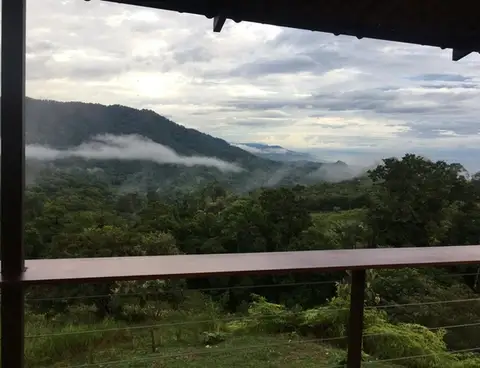
When people dream about owning property in Costa Rica, they picture jungle views and ocean breezes — not legal fees and municipal paperwork.
But if you plan to buy here, understanding the real costs of ownership is as important as finding the right view.
The good news? Costa Rica’s property taxes are among the lowest in the world.
The challenge? Closing costs and fees can vary depending on how you buy, who you buy from, and what’s included in the sale.
Here’s a clear look at what to expect — the practical side of paradise.
Property Taxes in Costa Rica
The Basics
Property tax here is refreshingly simple.
The standard rate is 0.25% of your registered property value, payable once a year to the local municipality (municipalidad).
That means if your home is valued at $300,000, you’ll owe about $750 per year — far less than in North America or Europe.
Most municipalities allow you to pay quarterly or annually.
Sophia’s tip: Many owners forget to update their declared value after renovations.
If you expand your home, register those changes to stay compliant and avoid back taxes later.
The Luxury Home Tax
If your home falls above a certain threshold, you’ll also pay a Luxury Home Tax (Impuesto Solidario).
For 2026, that applies to properties valued over approximately ₡146 million colones (around $275,000 USD) — though the amount changes yearly with inflation.
This tax is progressive, starting at about 0.25% and scaling up slightly for higher-value properties.
It’s assessed only on the construction value, not the land itself, which means well-built homes on modest lots often qualify.
Municipal Fees and Upkeep
Most buyers overlook small recurring fees tied to garbage collection and local services.
They’re minor — usually ₡30,000–₡60,000 colones ($50–$100 USD) a year — but they’re part of the ongoing cost of ownership.
Some gated communities also add HOA fees that cover private road maintenance, security, and common areas.
These can range from $100–$400 per month, depending on amenities.
Closing Costs When Buying
The Basics
Closing costs in Costa Rica typically range between 2.5–4% of the purchase price, and they’re usually split 50/50 between buyer and seller (unless negotiated otherwise).
These include:
Expense Typical Range Purpose
Transfer Tax 1.5% Government tax applied to every real estate sale
National Registry Fees 0.5% Covers registration of ownership
Notary Fees 1.0% Legal requirement; your lawyer acts as notary
Escrow Fees 0.25–0.5% Safe handling of purchase funds
Legal Fees 1–2% Title search, due diligence, and contract preparation
Sophia’s tip: Always confirm that your lawyer — not the seller’s — is preparing the deed (escritura).
The notary public must register the sale at the Registro Nacional for ownership to be official.
Corporate Ownership Considerations
Many foreign buyers purchase property through a Costa Rican corporation (Sociedad Anónima or Limitada).
It’s a legitimate structure that can simplify inheritance and liability, but it adds minor annual costs:
• Corporate tax: about ₡69,000–₡138,000 colones ($130–$260 USD) depending on income.
• Registered Agent or Accountant: often $100–$300 USD per year.
If you buy through a corporation, ensure it’s properly maintained — inactive or expired entities can delay future sales or create legal issues.


How to Budget Wisely
When you calculate your purchase budget, add a cushion of 5–7% above the listing price.
That covers all fees, taxes, and legal services without surprises.
If you’re buying land to build, budget extra for survey updates, permits, and construction insurance, as those costs fall outside standard closing fees.
Why It’s Still Worth It
Even with taxes and fees, Costa Rica remains one of the most affordable and transparent countries in Latin America for property ownership.
No annual wealth tax, no capital gains tax for personal homes, and low property taxes mean your carrying costs stay manageable long after closing day.
Sophia’s Take
The numbers might not sound romantic, but they’re what keep the dream grounded.
Costa Rica rewards preparation — the more you understand your costs, the smoother your move will be.
In a country where peace of mind is part of the value, knowing your financial footing is just another way of settling in.
Find Trusted Realtors and Properties in Costa Rica →
By Sophia for ZIVO