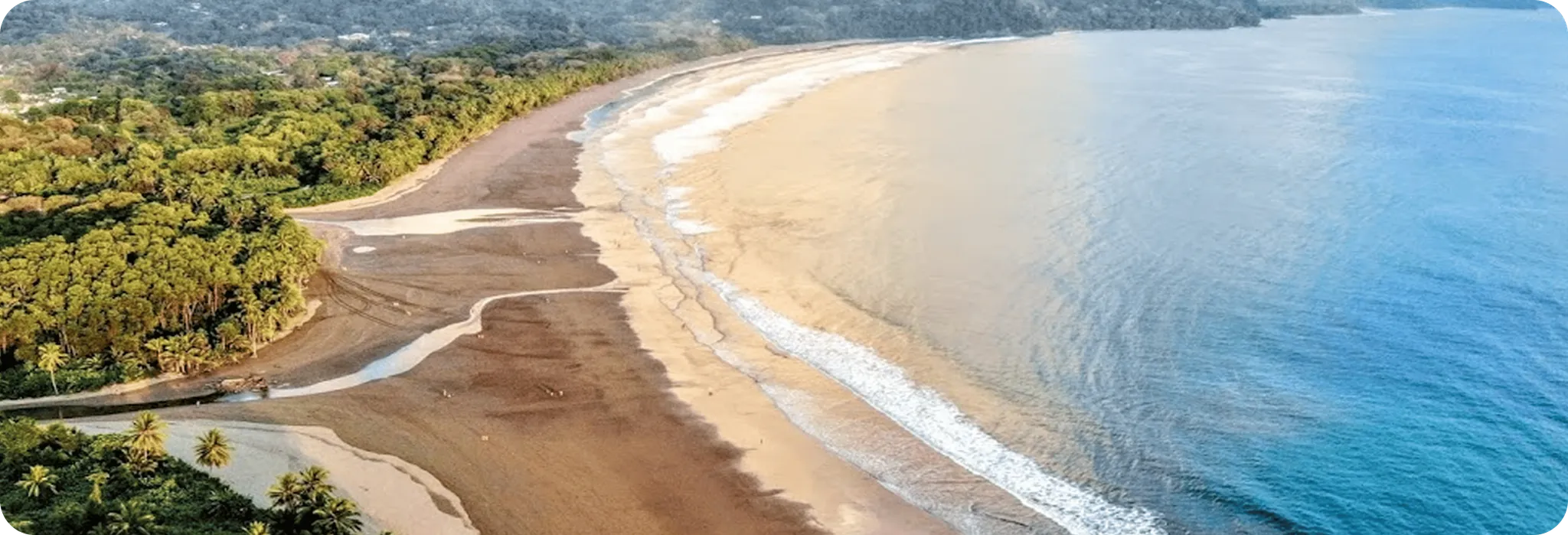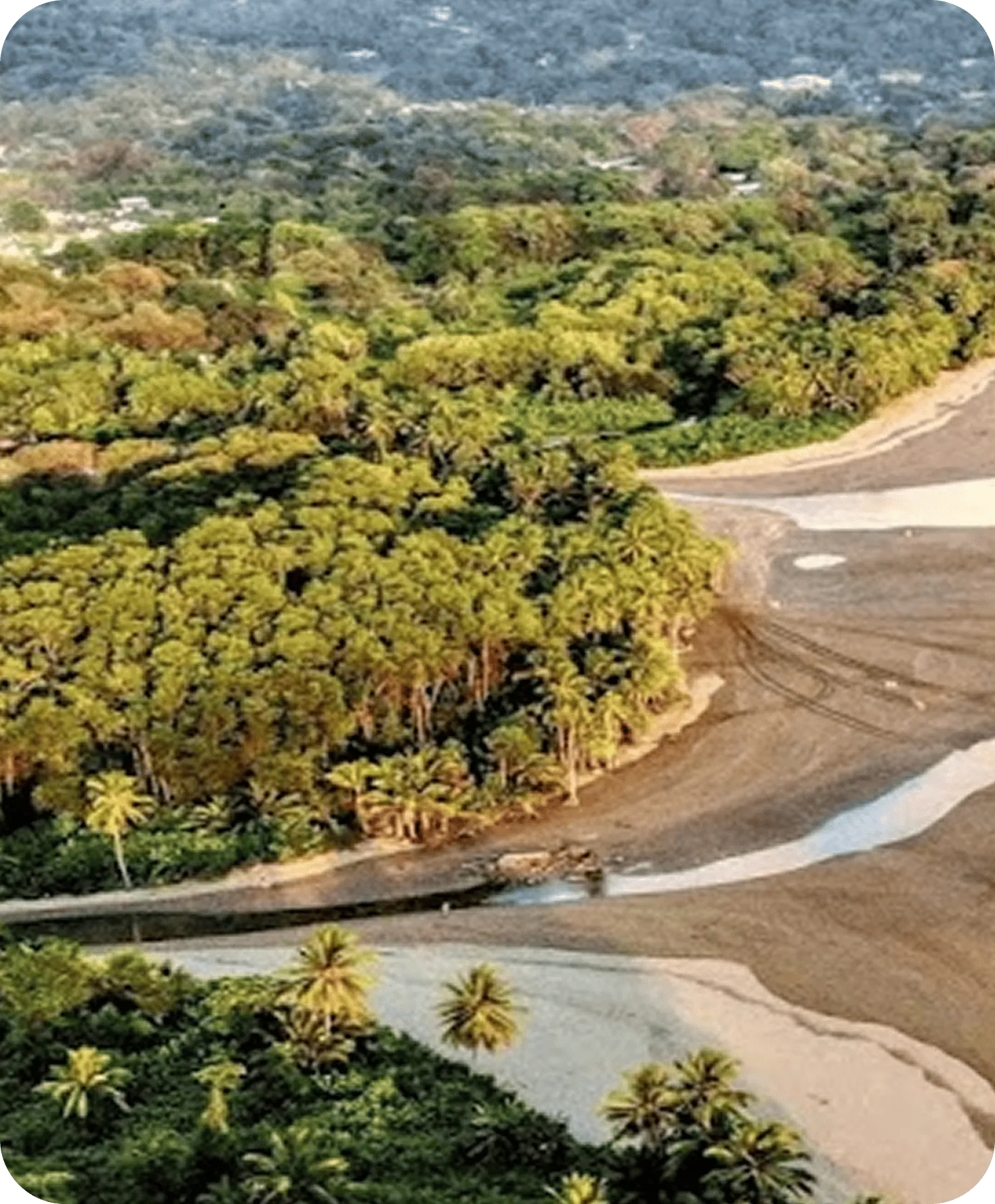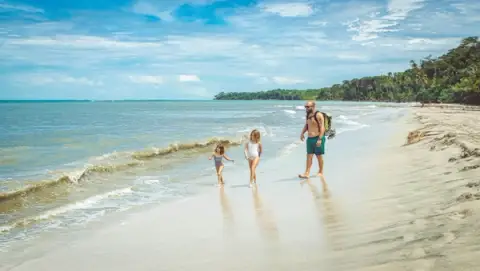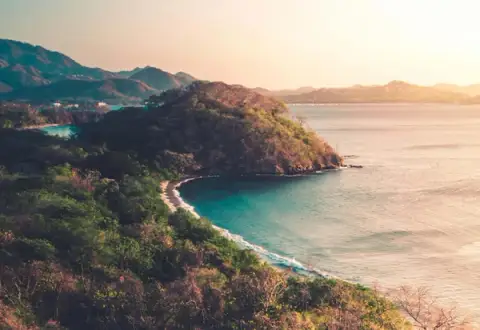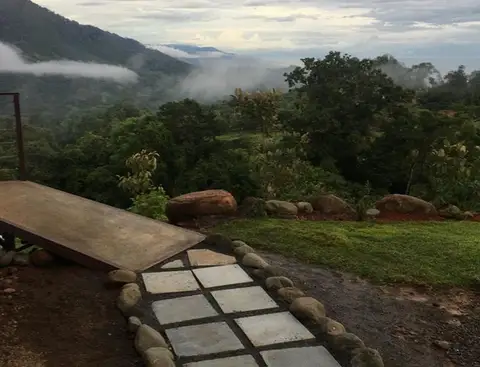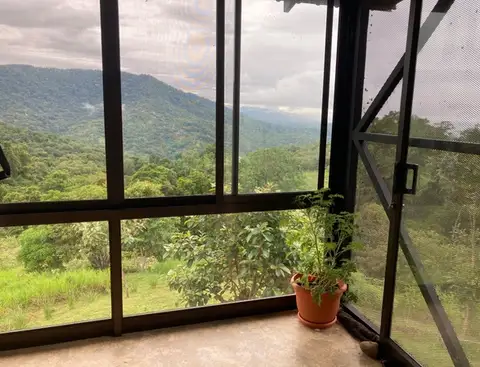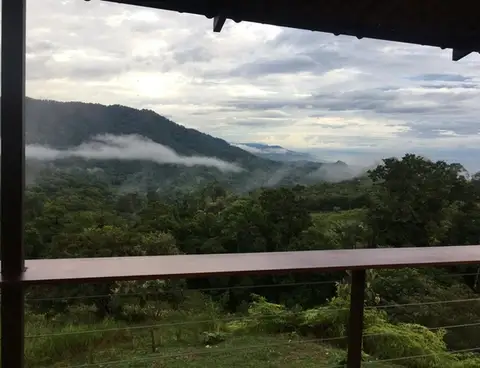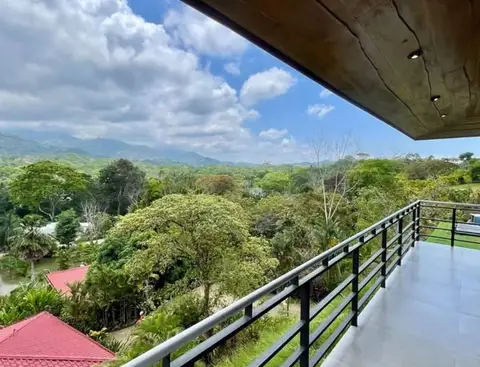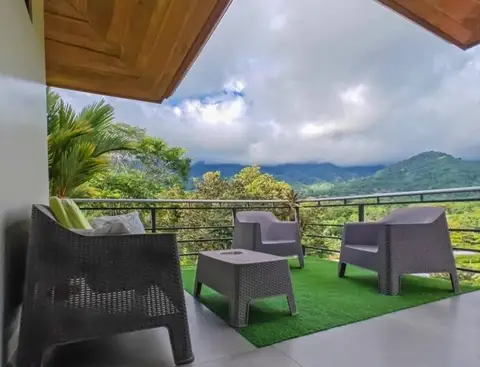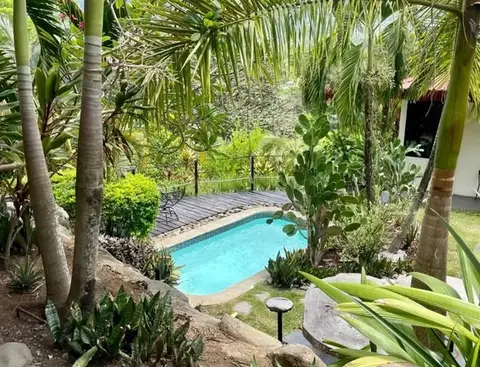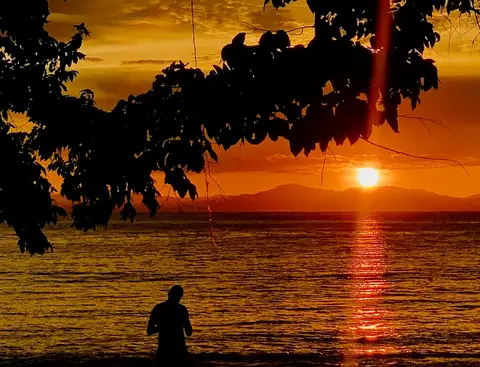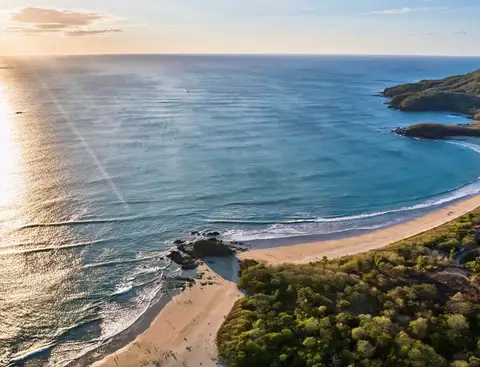
Costa Rica’s beauty has always been obvious — the waves, the forests, the light that hits the ocean just before dusk.
But the country’s real magic isn’t just how it looks; it’s how it chooses to live.
Here, sustainability isn’t a buzzword — it’s a way of being.
Over the past decade, a quiet movement has taken root across the country — farmers, builders, and expats learning to live lighter on the land.
From the surf towns of Guanacaste to the green hills of the Southern Zone, eco-living has become the natural evolution of pura vida.
A Country Built on Conservation
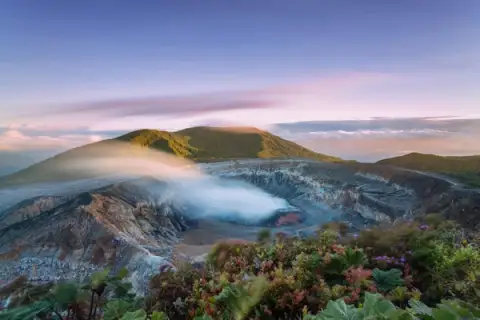
Costa Rica protects more than 25% of its land through national parks and reserves — one of the highest rates in the world.
It runs on nearly 100% renewable electricity, and its biodiversity rivals entire continents.
But what’s most remarkable is how those values spill into daily life.
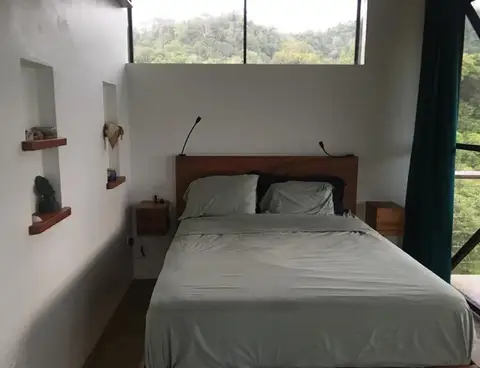
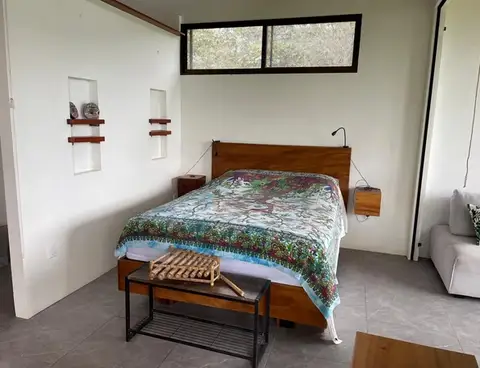
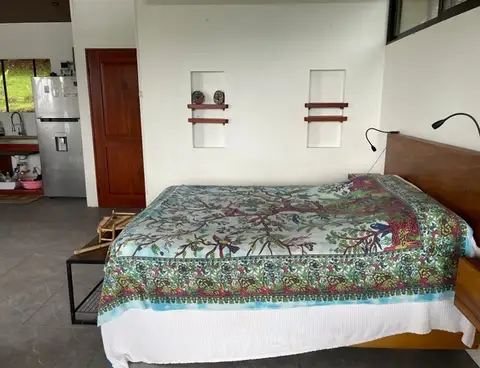
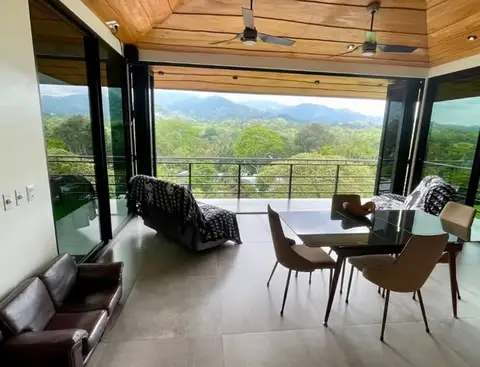
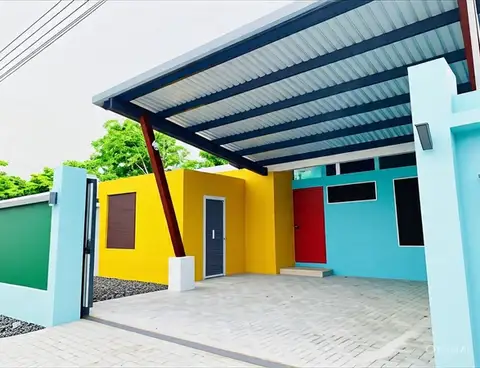
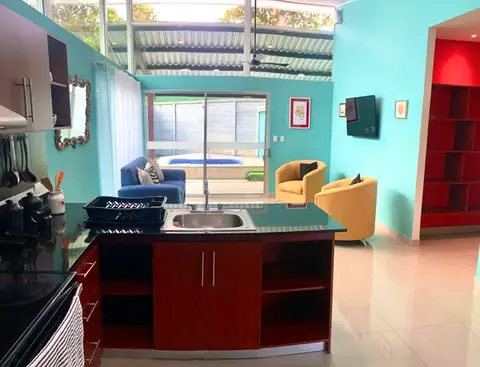
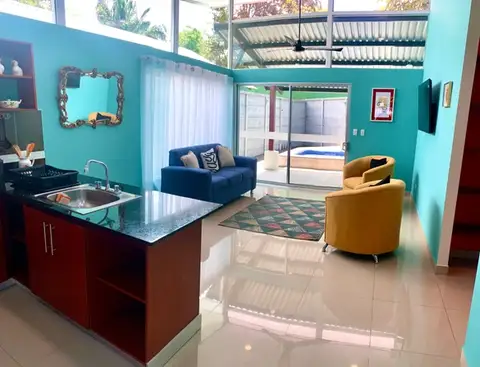
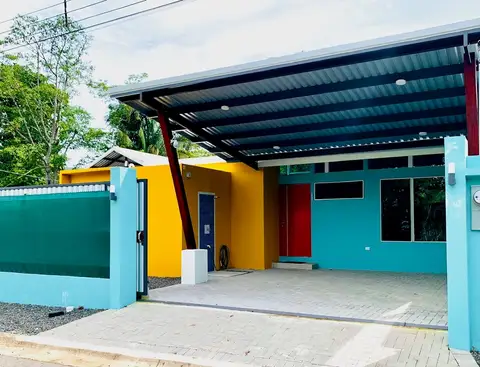
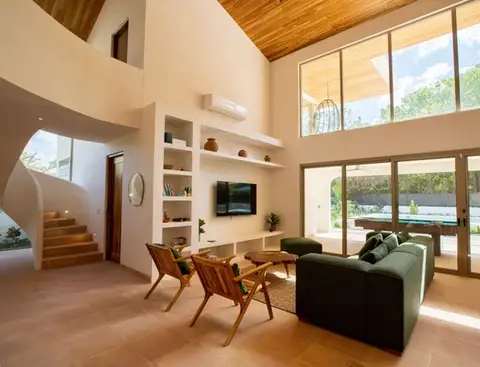
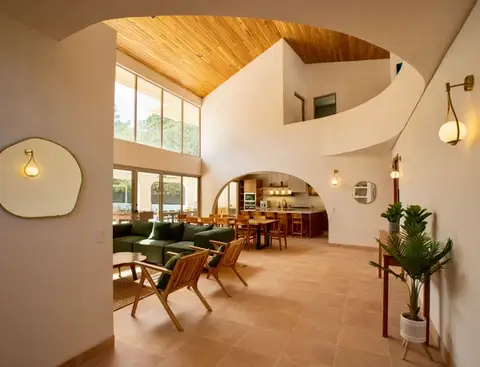
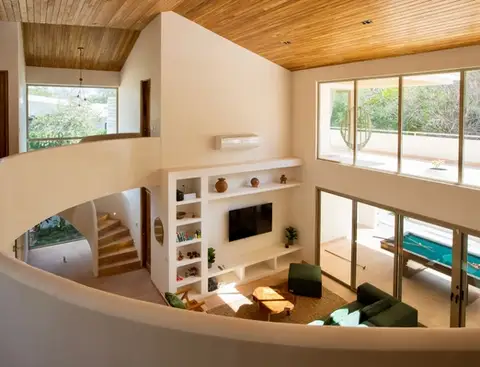
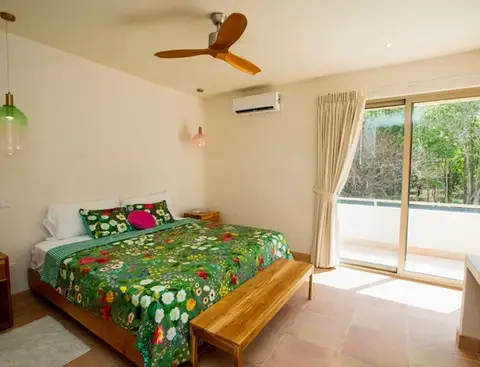
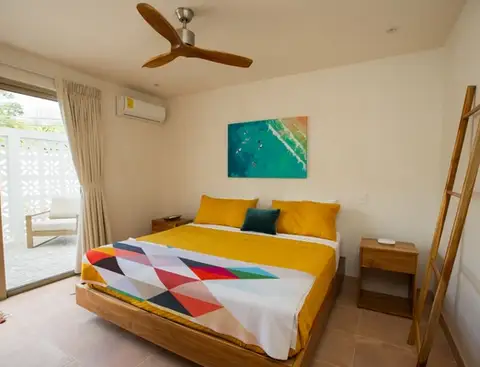
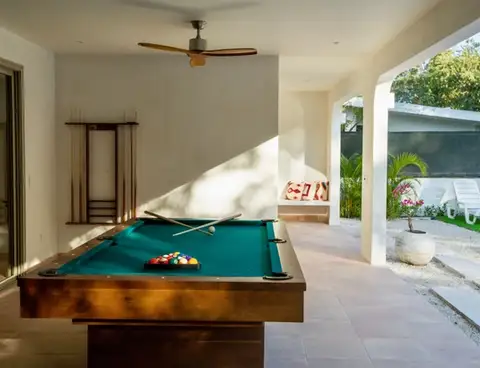
Homes are designed to breathe instead of fight the climate.
Communities recycle, compost, and share gardens.
Many small towns manage their own clean-water systems.
Sophia’s note: Sustainability here isn’t a trend — it’s a shared agreement.
You see it in the way people talk about rain, waste, and trees — with care, not convenience.
Building the Eco Way
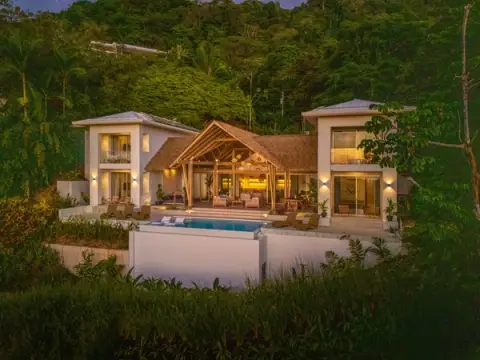
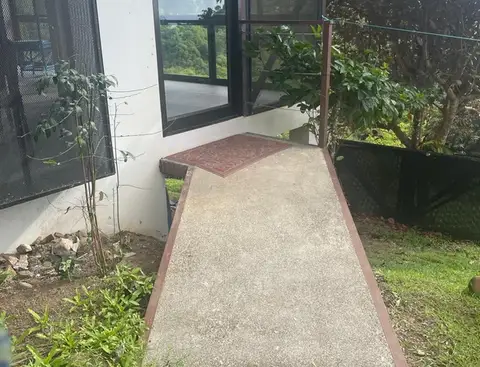
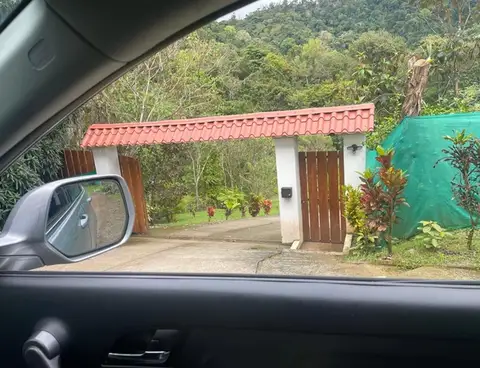
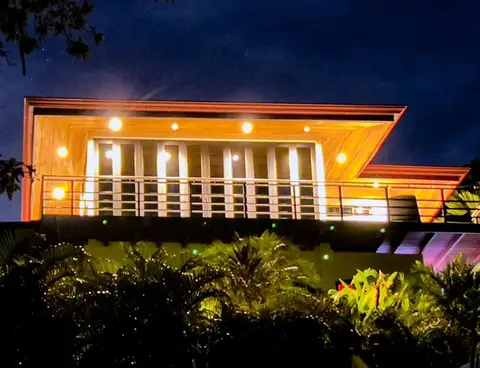
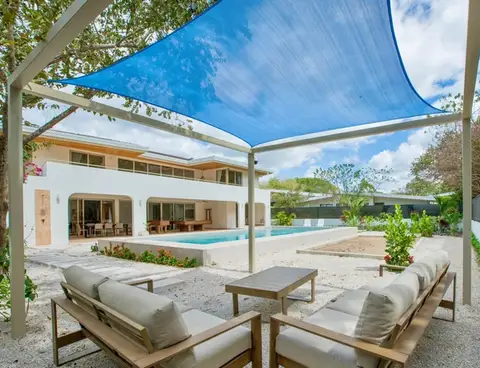
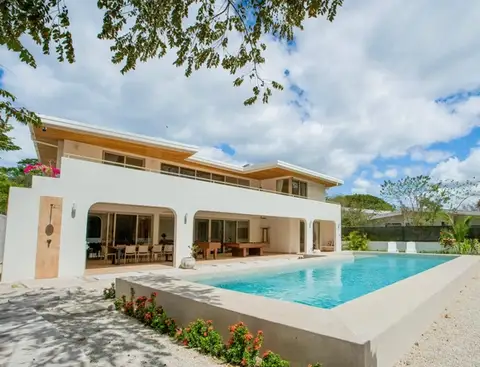
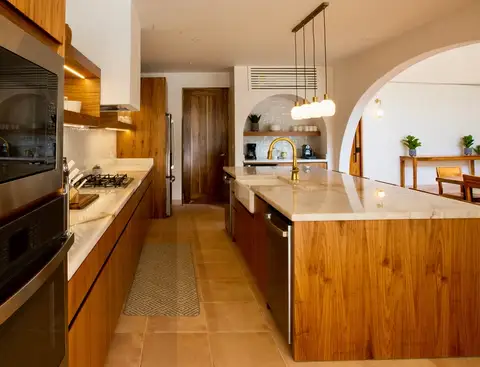
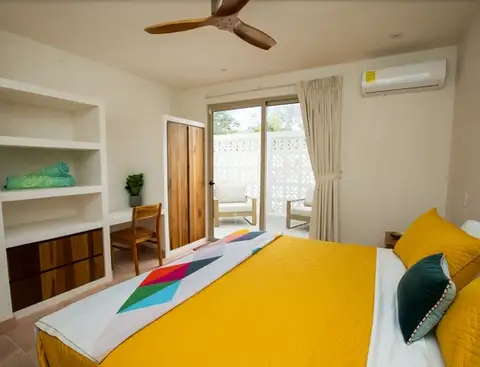
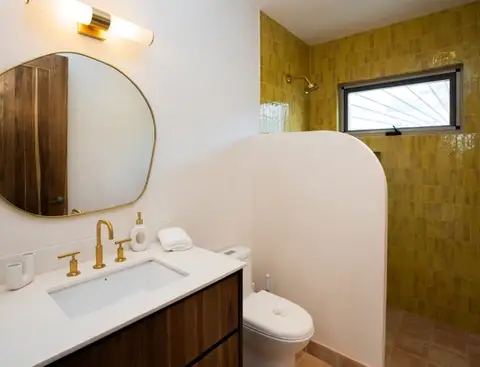
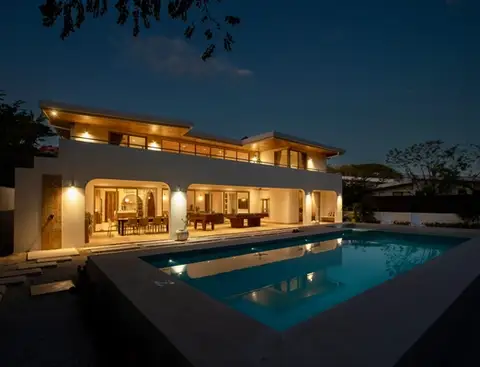
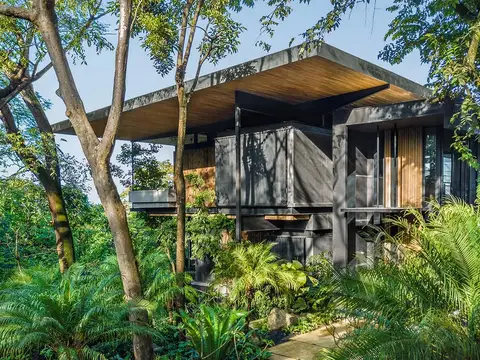
In beach towns like Nosara, Dominical, and Santa Teresa, a new wave of construction is proving that luxury and sustainability can coexist.
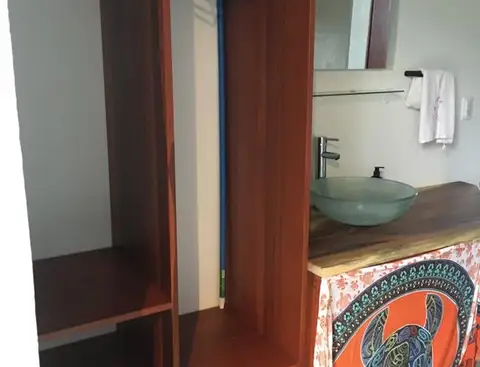
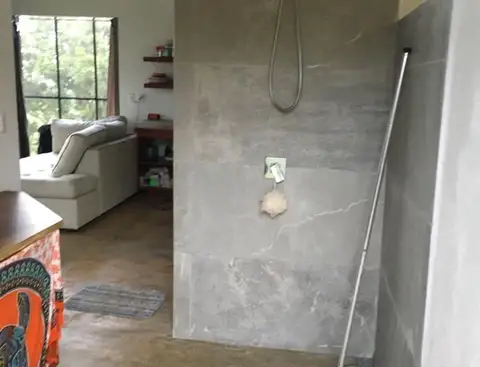
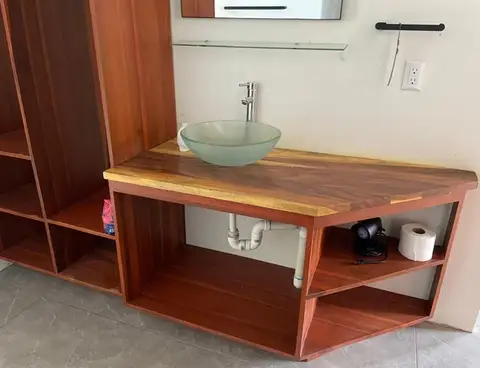
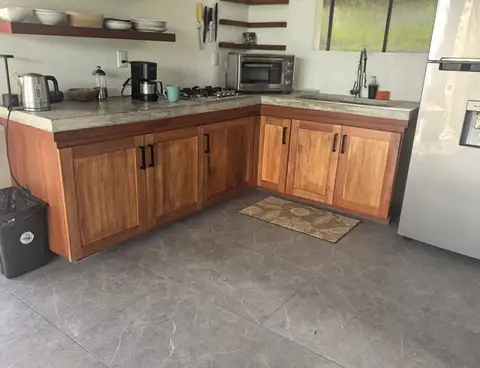
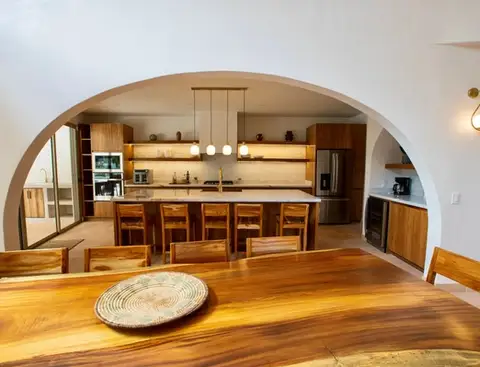
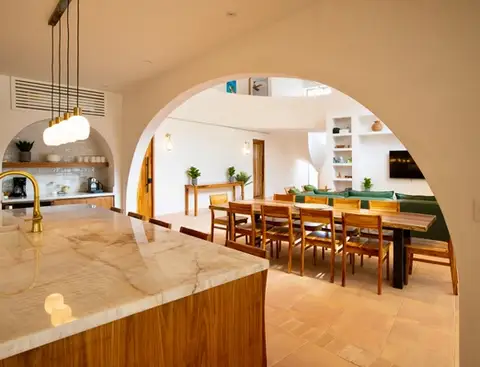
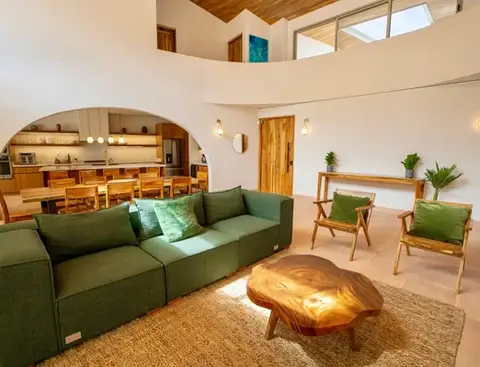
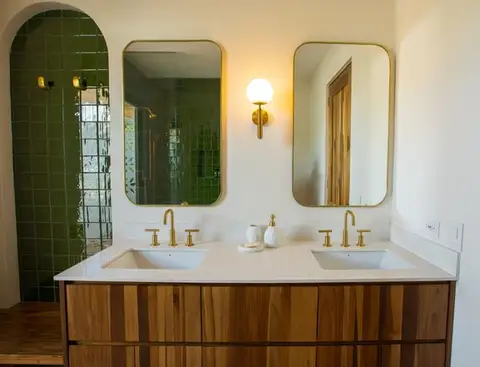
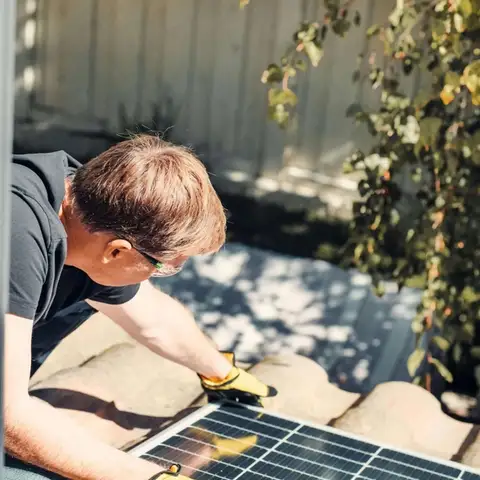
Architects are leaning on natural ventilation, solar power, and local materials like bamboo, teak, and reclaimed wood.
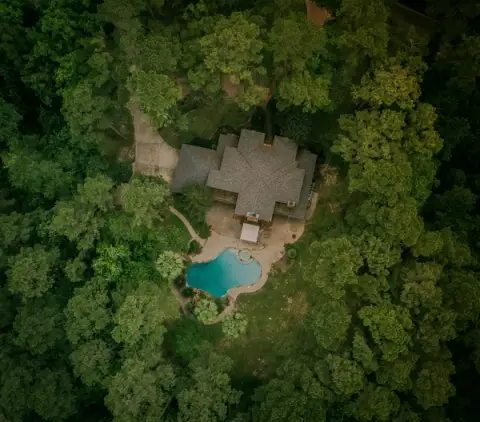
Developments are smaller, smarter, and often designed to disappear into the landscape rather than dominate it.
Rainwater harvesting, greywater systems, and edible gardens are becoming the standard — not the upgrade.
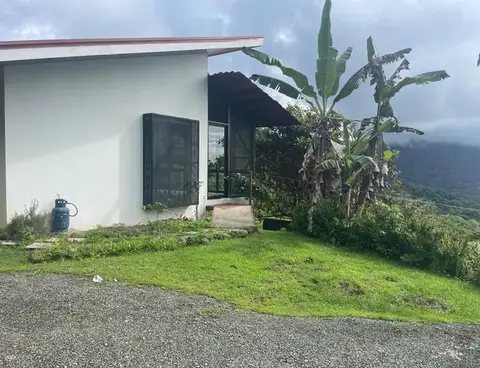
Even inland, near Grecia and San Ramón, you’ll find bio-homes built with earth and recycled bottles — creative, sturdy, and stunning in their simplicity.
Food That Reflects the Land
The eco-living movement also thrives on what’s on the plate.
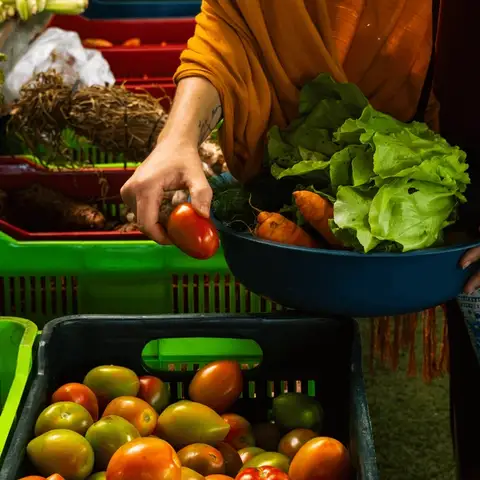
Farm-to-table here isn’t a restaurant concept — it’s a way of shopping.
Weekly ferias (farmers markets) bring together organic growers, small producers, and community cooperatives.
Shoppers bring their own bags, swap recipes, and pay in colones instead of carbon footprints.
Many expats find joy in growing their own fruit trees, trading avocados for eggs with neighbors, and learning that the best meals here don’t need packaging.
Costa Rica now has dozens of permaculture farms and eco-villages, places like Rancho Margot near Arenal or Finca Morpho in the Southern Zone, where people learn regenerative farming, composting, and low-impact living.
Everyday Sustainability
Eco-living isn’t just for farmers or off-grid dreamers.
Even in the city, Costa Ricans practice small, consistent habits that make a difference.
You’ll see families separating trash into color-coded bins, office buildings with rooftop gardens, and schools teaching composting as early as kindergarten.
Electric vehicles are becoming common, solar panels are appearing on city rooftops, and a growing number of homes are built with rainwater tanks and natural cooling systems.
It’s not perfection — but it’s participation.
The Human Side of Eco-Living
People often move to Costa Rica chasing nature — and end up finding community.
In eco-villages, neighbors share tools, meals, and ideas.
Projects are co-owned, gardens are co-tended, and children grow up learning that “mine” and “ours” can overlap beautifully.
The goal isn’t to escape modern life; it’s to live in harmony with it.
That’s the deeper meaning behind pura vida — not just peace, but responsibility.
Sophia’s Take
Eco-living in Costa Rica isn’t about sacrifice — it’s about remembering scale.
You live smaller, but your life feels larger.
The air is cleaner, food tastes better, and time stretches in ways you can’t measure on a clock.
It’s not about going back to basics — it’s about returning to balance.
Discover Homes and Communities in Costa Rica →
By Sophia for ZIVO