People don’t just come to Costa Rica for vacation anymore — they come to stay.
Maybe it starts as a few months of remote work, a sabbatical, or a retirement trial run.
Then one morning, you catch yourself thinking less like a visitor and more like someone who lives here: Where’s the nearest feria for fresh fruit? Should I finally learn to order coffee like a local?
That’s when it’s time to think about residency — the simple, slow process that turns “I’m staying a while” into “I belong here.”
The Basics — Yes, You Can Stay
Costa Rica welcomes foreigners who want to live long-term.
The country’s immigration system has several legal pathways, each tied to a specific situation or income source.
It’s not hard, but it does take patience and preparation.
The good news: once your application is submitted, you can remain in the country legally while it’s processed — which typically takes 3–9 months.
Most people hire a bilingual lawyer or residency facilitator to handle the paperwork, translation, and follow-up with Migración.
1. Pensionado Residency – For Retirees
Who it’s for: retirees or anyone with a lifetime monthly pension income.
Requirements:
• Proof of at least $1,000 USD per month from a lifetime pension or Social Security.
• Must visit Costa Rica at least once per year to maintain residency.
Perks:
• Access to public healthcare (Caja Costarricense de Seguro Social).
• Can own property, open a local bank account, and apply for a Costa Rican driver’s license.
Limitations:
• Cannot work directly for a Costa Rican employer but can own or manage your own business.

2. Rentista Residency – For Entrepreneurs or Remote Workers
Who it’s for: freelancers, business owners, or anyone with steady non-salary income.
Requirements:
• Proof of $2,500 USD per month income for at least two years,
or deposit $60,000 USD in a Costa Rican bank (often in a fixed account).
Valid for: 2 years, renewable.
After three renewals, you can apply for permanent residency.
This option fits digital nomads or entrepreneurs who work remotely for foreign clients but want more stability than a tourist visa allows.
3. Inversionista Residency – For Investors
Who it’s for: buyers or investors contributing to Costa Rica’s economy.
Requirements:
• Minimum investment of $150,000 USD (down from $200,000 in previous years).
• Can be real estate, a registered business, or an approved tourism/agriculture project.
Valid for: 2 years, renewable with proof that the investment remains active.
This is ideal if you’ve purchased property or plan to develop one; it recognizes your contribution to the country’s long-term growth.
4. Digital Nomad Visa – For Remote Professionals
Who it’s for: remote workers or freelancers earning from abroad.
Requirements:
• Monthly income of $3,000 USD for individuals or $4,000 USD for families.
• Proof of international health insurance.
• Income must come from a company or clients outside Costa Rica.
Valid for: 1 year, renewable once.
This visa doesn’t lead to permanent residency, but it’s perfect for testing long-term living here while staying compliant.


5. Permanent Residency
After holding temporary residency (any of the above) for 3 consecutive years, you can apply for Permanent Residency.
Permanent residents can work freely, open local businesses, and live without annual renewals.
For many, this is the finish line — a signal that Costa Rica has truly become home.
⸻
Costs and Processing
• Application and legal fees: typically $1,000–$2,000 USD depending on the route and lawyer.
• Government fees: around $250–$400 USD.
• Timeline: 3–9 months on average, though some take longer.
Documents such as birth certificates, police reports, and marriage certificates must be apostilled and translated into Spanish before submission.
Sophia’s tip: Make digital and paper copies of every document. You’ll be asked for them more than once, and “mañana” is a flexible term here.
Why Residency Matters
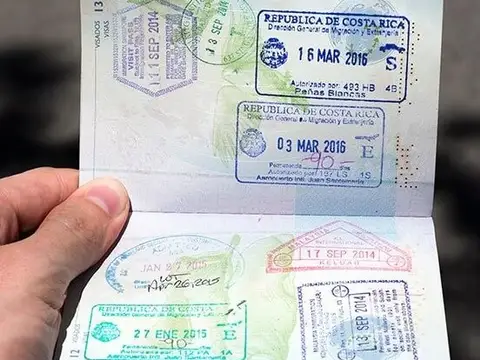
Yes, you can stay on a tourist visa — technically.
But the 90-day visa runs and constant border crossings grow old fast, especially if you plan to build a business or buy property.
Residency gives you peace of mind:
• Legal stay year-round
• Local health insurance access
• Easier banking and property transactions
• A sense of true belonging in your community
Sophia’s Take
Residency in Costa Rica isn’t just about paperwork — it’s a lesson in patience, presence, and pace.
The system works, but slowly. The people are kind, but exact.
And that mix is what makes this place feel real.
If you can handle waiting in line with a smile, you’re already halfway to becoming a local.
Discover Costa Rica Towns and Communities →
By Sophia for ZIVO