How to Work with Realtors in Costa Rica (and Avoid Common Pitfalls)
Buying property in Costa Rica can feel like an adventure — and sometimes it is.
The views are breathtaking, the people are kind, and the process, while friendly, plays by its own rules.
And those rules aren’t always written down.
Whether you’re searching for a surf shack, a rental villa, or your forever jungle home, a good realtor can make all the difference.
A careless one can make the dream more expensive — and far more complicated — than it needs to be.
Here’s how to navigate Costa Rica’s real estate world with confidence and find the right partner along the way.

The First Surprise: No License Required
Let’s start with the truth most newcomers don’t know — real estate agents in Costa Rica aren’t licensed by the government.
Anyone can call themselves a realtor here, which means due diligence isn’t optional; it’s essential.
That doesn’t mean the market is shady — it just runs on relationships, referrals, and local knowledge instead of regulation.
Good agents build trust by reputation. The best ones will have years of listings, client stories, and lawyers who speak highly of them.
Sophia’s tip: Always ask how long your agent has worked in the area and whether they belong to an association like the CCCBR (Costa Rican Chamber of Real Estate Brokers).
Finding the Right Realtor
1. Start Local, Not Just Online
Online listings can look identical, but the person behind the screen matters.
A local agent who actually lives in the area knows which roads flood, which hills have fiber internet, and which “ocean view” listings actually deliver on that view.
2. Ask Who They Represent
In Costa Rica, realtors often represent both buyer and seller — which can blur loyalty.
Be clear about who they’re working for and whose interests they’re protecting.
3. Look for Collaboration, Not Pressure
A trustworthy agent wants you to make the right choice, not the fastest one.
They’ll happily bring in lawyers, surveyors, or other agents to ensure transparency.
If you ever feel rushed, take it as a red flag.
The Legal Trio: Realtor, Lawyer, and Notary
A solid real estate deal in Costa Rica usually includes three key people:
• Realtor: Helps find and negotiate property.
• Lawyer: Checks title, registry, and drafts your purchase agreement.
• Notary: Finalizes the transfer — most lawyers here are also notaries.
Never skip the lawyer step, no matter how smooth the process seems.
The law here is clear but complex — every sale needs official verification at the Registro Nacional (National Registry).

The Common Pitfalls
Even careful buyers fall into patterns. These are the ones worth avoiding:
1. Skipping the Lawyer
→ No matter how much you trust your realtor, a lawyer is the one who confirms legal ownership.
2. Assuming Listings Are Exclusive
→ In Costa Rica, multiple agents can list the same property. Verify pricing and check that you’re not being double-billed for commissions.
3. Overlooking Easements or Access Rights
→ Some properties rely on shared or private roads. Your agent should help verify right-of-way before you sign.
4. Paying Without Escrow
→ All deposits and payments should go through a licensed escrow service, not directly to an individual.
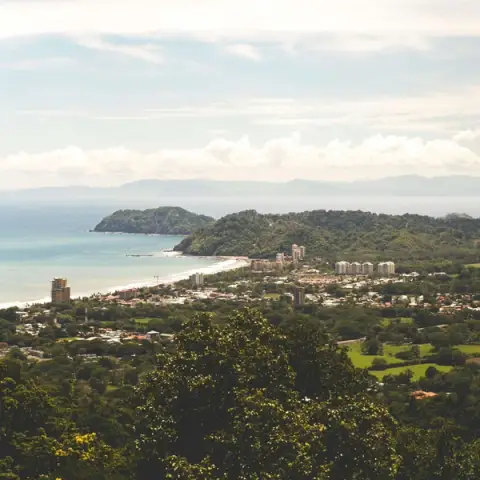
5. Falling for the “Too Good to Be True” View
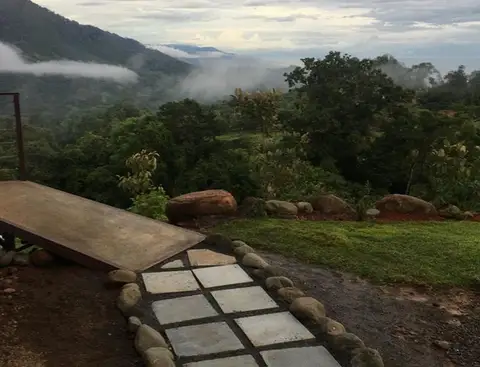
→ Properties with exceptional views sometimes come with steep build challenges or tricky infrastructure. Ask your realtor to walk you through feasibility.
How to Work Well Together
A great realtor relationship in Costa Rica feels more like teamwork than a transaction.
• Be upfront about your priorities: jungle view or fiber internet? Community or privacy?
• Stay realistic about timing: closing can take longer than you expect, and that’s normal.
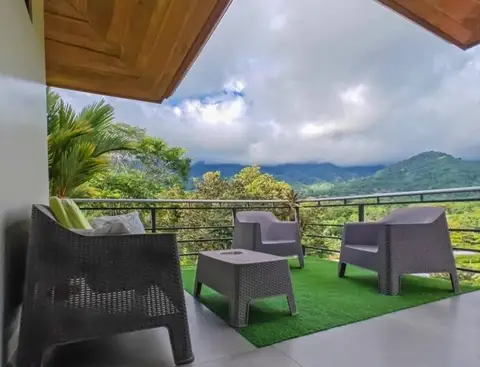
• Trust local rhythm: your agent’s phone might ring while you’re watching monkeys on a terrace — that’s business as usual here.
Sophia’s Take
The best realtors in Costa Rica do more than sell property — they translate a new way of life.
They understand that “home” here means open windows, slower mornings, and a sense of space that’s hard to price.
Do your homework, trust your instincts, and choose the person who listens more than they talk.
Because when it’s done right, the process feels less like a sale — and more like finding your place in paradise.
By Sophia for ZIVO