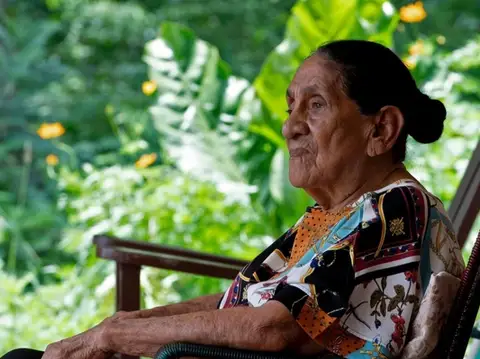
In Costa Rica, time bends a little.
It stretches with the tide, pauses with the rain, and moves at the rhythm of roosters and ocean waves.
At first, that pace can feel disorienting — especially if you’re arriving from a world of alarms, schedules, and five-minute coffee breaks.
But give it time, and you start to see the lesson tucked inside the stillness.
Costa Rica doesn’t just offer a slower life. It teaches you how to slow down.
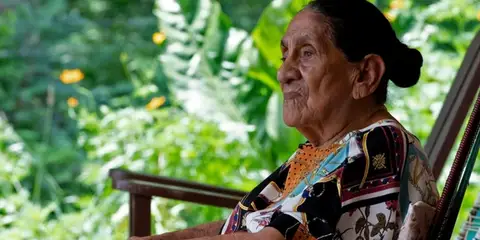
The First Lesson: Time Isn’t Measured the Same
“Tico time” isn’t just a saying; it’s a cultural truth.
Buses run when they run. Lunch meetings start when everyone’s ready. And a rainstorm is as valid a reason as any to reschedule plans.
It’s not disorganization — it’s adaptation.
In a country where nature sets the rhythm, people have learned to move with it, not against it.
The sun rises early, the afternoon rain cools everything down, and life naturally divides itself into moments of energy and rest.
For newcomers, it takes about a month to realize that the slower pace isn’t laziness — it’s intention.
The Science of Slower
Costa Rica isn’t just peaceful in spirit; it’s measurable.
The country consistently ranks among the world’s happiest and healthiest, thanks in part to something simple: stress moves slower here.
The Nicoya Peninsula, one of the world’s Blue Zones, is home to some of the longest-living people on Earth.
Their secret isn’t fancy — it’s balance.
Walk more. Eat fresh. Rest early. Laugh often.
It’s a lifestyle rhythm that prioritizes connection over competition, and movement over rush.
Sophia’s note: You don’t have to retire to find balance — just to stop confusing busy with fulfilled.
How Locals Practice It
In small towns, mornings begin with chores before the heat sets in.
By noon, life pauses — shops close, workers rest, kids head home for lunch.
It’s a pause built into the culture, a daily reset that reminds everyone to breathe.
Coffee breaks (cafecito) are sacred — a chance to step away from work, pour a cup, and catch up with neighbors.
Sundays, most families head outdoors — rivers, beaches, or just hammocks in the backyard.
Even in San José’s bustle, there’s always time for a story or a shared laugh before getting back to business.
It’s not the absence of ambition. It’s ambition with boundaries.
When Slowing Down Feels Hard
If you’ve built a life on momentum, slowing down can feel like a loss.
Emails pile up. Plans take longer. The Wi-Fi flickers right when you’re in flow.
But slowly — and Costa Rica insists on slowly — you start to change.
You stop checking your phone during rainstorms. You linger after meals. You realize that quiet isn’t the same as unproductive.
Many expats call this adjustment “the soft reset.”
It doesn’t happen overnight, but once it does, the difference isn’t subtle.
Your calendar looks emptier. Your days feel fuller.
Sophia’s Take
Costa Rica doesn’t hand you balance — it invites you to earn it.
It teaches you to replace urgency with presence, and deadlines with daylight.
The hardest part isn’t slowing down — it’s remembering that you’re allowed to.
Discover Homes and Communities in Costa Rica →
By Sophia for ZIVO